Watch the Feet, Not the Screen
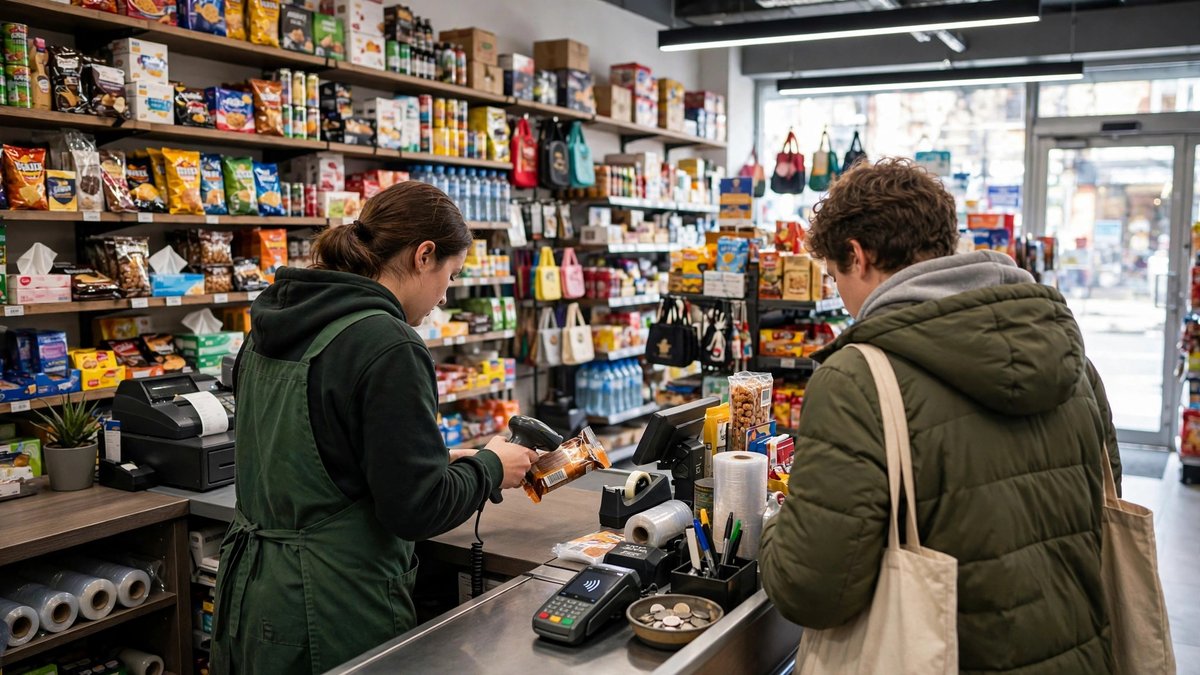
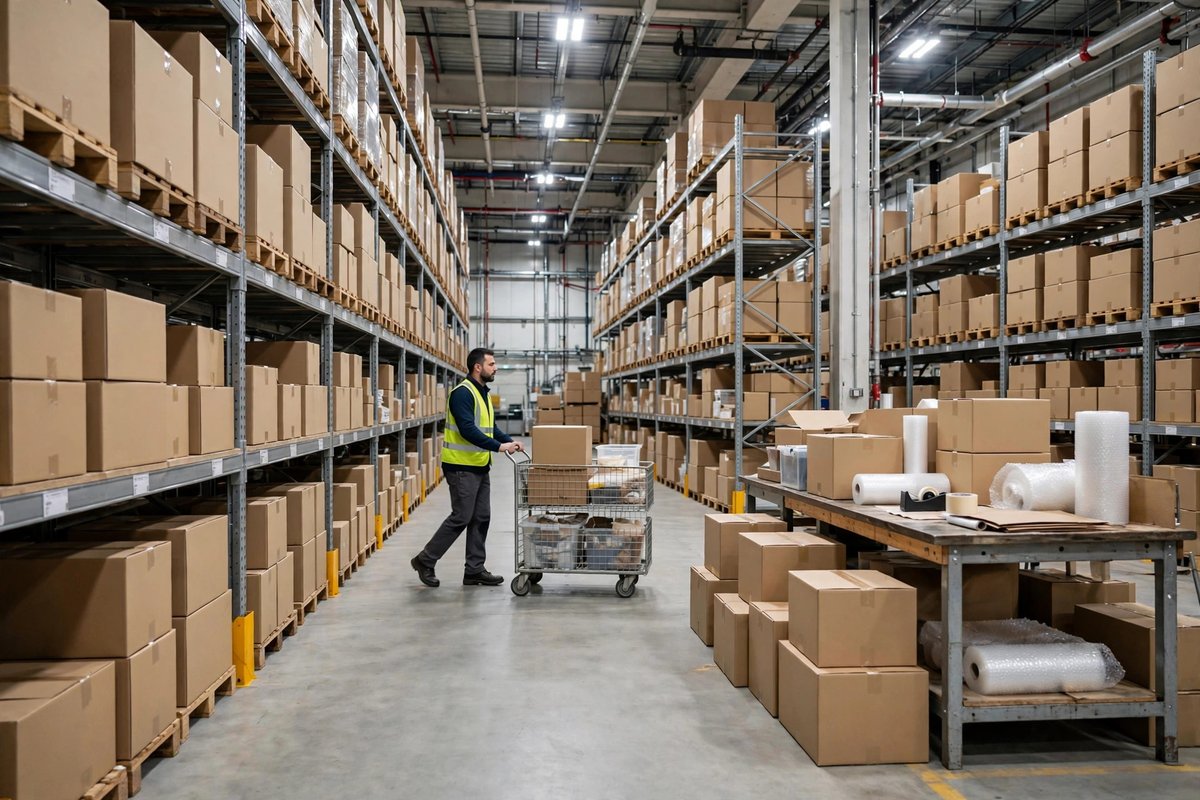
I like to start a warehouse conversation standing in the aisle, not sitting at a desk. Follow one order with your eyes. A picker grabs a pick list, walks to the far rack for one item, walks back past the packing bench to another rack, then crosses the building again for a third item that was ten feet from the first one. By the third trip his step counter is thrilled and the order is still not packed.
Nobody designed it that way on purpose. It grew that way. The pick list is sorted by line order, the way the customer typed it, not by where anything actually lives. So the human becomes the sorting machine, paying for a bad sequence with his legs and his afternoon. Multiply that by every order, every day, and you have found the overtime nobody can explain.
The fix starts with a mindset shift. Walking is not work. Walking is the tax you pay for poor planning. The work is picking the right item, in the right quantity, and getting it staged cleanly for packing. Everything between those moments should be shrinking. When I walk a floor with an owner, I ask one question over and over. Why did he have to go back? Every answer to that question is money.
Build the Wave Before You Walk
The practical heart of this is picking in waves instead of one lonely order at a time. Group a batch of orders that are due in the same window, and let the system organize the picking by location, so one trip down an aisle collects what several orders need. The picker works the building in a sensible path, front to back, instead of pinballing around it chasing line numbers.
Size matters here. A wave that is too big becomes a traffic jam at the packing bench and a cart piled so high things fall off and get damaged. A wave that is too small wastes the whole benefit. In my experience, you find your number by testing on a normal Tuesday, not your worst Monday. Start modest. Watch where it clogs. Adjust like a grown-up instead of declaring the whole idea broken after one rough morning.
Sequence the locations so the path flows. Heavy and bulky items should generally come in an order that makes sense for the cart and the box, not buried under a pile of light stuff that gets crushed. This sounds obvious until you watch somebody put a case of anything on top of foam parts because the list said so. The list works for you. You do not work for the list. Arrange the work so a new hire could follow the path and look competent by lunch.
One Staging Spot, One Source of Truth
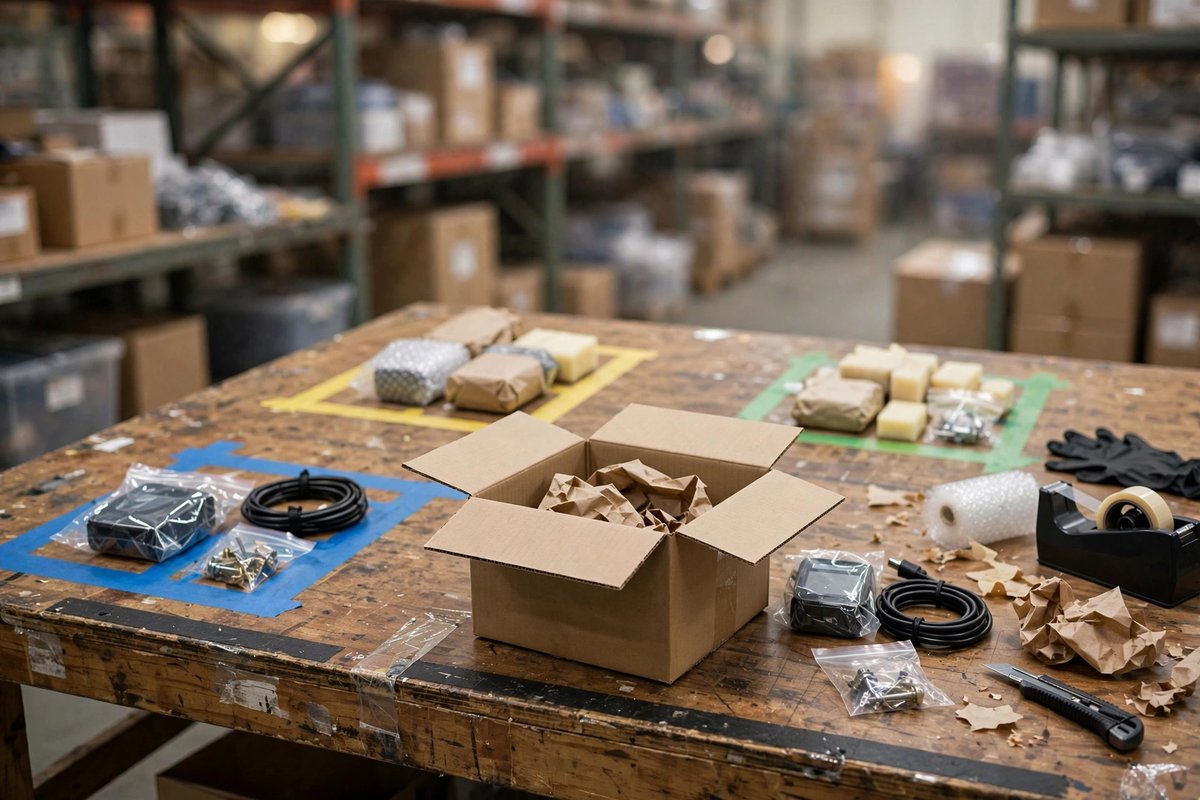
The second half of the habit is staging discipline. Picked items need one clear home between the shelf and the box, organized by order, where anybody can look and know what is complete, what is short, and what is waiting. When staging is scattered, a pallet here, a cart there, a box by the door, packing becomes a scavenger hunt and orders get mixed together. That is where the wrong item ends up in the wrong customer's box, which is the most expensive mistake a warehouse makes.
Keep it visual and simple. A marked area. A spot per order in the wave. Nothing leaves that area except to be packed and checked. If an item is short, it gets flagged right there in the system at that moment, not discovered at the bench with the tape gun already in somebody's hand. Recording the shortage where it happens is what keeps one problem order from quietly stalling the whole wave around it.
Packing then becomes a calm, checkable job instead of an archaeological dig. The packer confirms items against the order as the box is built, and the paperwork and labels come at the end of a clean process instead of compensating for a messy one. Calm packing is accurate packing. Rushed, confused packing is how you ship a customer two left boots and a sincere apology.
The Habits That Make It Stick
Tools aside, the warehouses that improve are the ones that build three habits. First, pick exceptions get handled in the open. If a bin is empty that should not be, that gets raised and recorded the same shift, because tomorrow's wave will hit the same empty bin and everybody will act surprised again. Second, the floor layout gets reviewed whenever the product mix changes, which is more often than owners think. Third, somebody owns the wave rhythm. Picking starts when the wave is ready, not whenever anyone feels like printing a list.
Start small if you need to. One wave in the morning. One staging area with tape on the floor. One week of honest measuring. The building will tell you what to fix next, and it will tell you in plain language if you are willing to stand in the aisle and watch the feet instead of the screen.
Frequently Asked Questions
What is a pick wave and why does it help?
A pick wave is a group of orders released for picking together in a planned batch instead of one at a time. It helps because the picking can be organized by location, so one trip down an aisle serves several orders. That cuts repeated walking, reduces congestion at packing, and makes staging easier to manage. In my experience it is the single biggest step-saver for a small warehouse team.
How big should a pick wave be?
Big enough to make the trip worthwhile, small enough that staging and packing do not clog. The right size depends on your order sizes, cart space, and bench capacity, so test it on a normal day and adjust. If packers are waiting, the wave may be too small. If the staging area is overflowing and errors climb, it is too big. Your floor will show you the answer quickly.
What should I do when an item on the pick list is not in its bin?
Stop treating it as a small annoyance and record it where and when it happens. Flag the shortage in the system right away so the order can be handled honestly, then get the bin discrepancy checked the same shift. Silent workarounds, like quietly grabbing stock from somewhere else, guarantee the same empty bin ambushes the next wave. Accuracy problems are fixed by daylight, not by hustle.
Do I need a huge warehouse to benefit from better pick paths?
Not at all. In my experience smaller warehouses often gain the most, because the same two or three people absorb every wasted trip personally. One planned path, one staging spot, and fast-moving items stored close to packing can transform a small operation in a week. The principles scale down beautifully. It is planning, not square footage, that saves the steps.