
Your Name Gets There Before You Do
In a big city, a salesperson can hide behind a brand. Here, you are the brand, and your reputation does your first meeting for you. By the time I sit down with an owner, they have usually heard something about me. Maybe a neighbor mentioned a project. Maybe they saw me at a game, at church, at the brewery downstairs. What they heard decides whether my presentation even gets a fair listen.
That cuts both ways, which is exactly why it works. If I cut corners, people hear about it. If I stay late to fix a problem nobody else would have noticed, people hear about that too, usually from the customer, not from me. Early on, I treated that as pressure. Now I treat it as the whole business model. Do right by people in the small moments, in writing, in person, when it costs you a little, and the town does a kind of marketing for you that no budget can buy. My job is to deserve the story people tell when I am not in the room.
It also means I cannot sell something I do not believe fits. In an anonymous market, a bad sale disappears into the numbers. Here, a bad sale has a name, a family, and a table at the same places I eat. I would rather lose a deal honestly than win one that makes a good person regret trusting me.
Show Up Where Software Is Never Mentioned
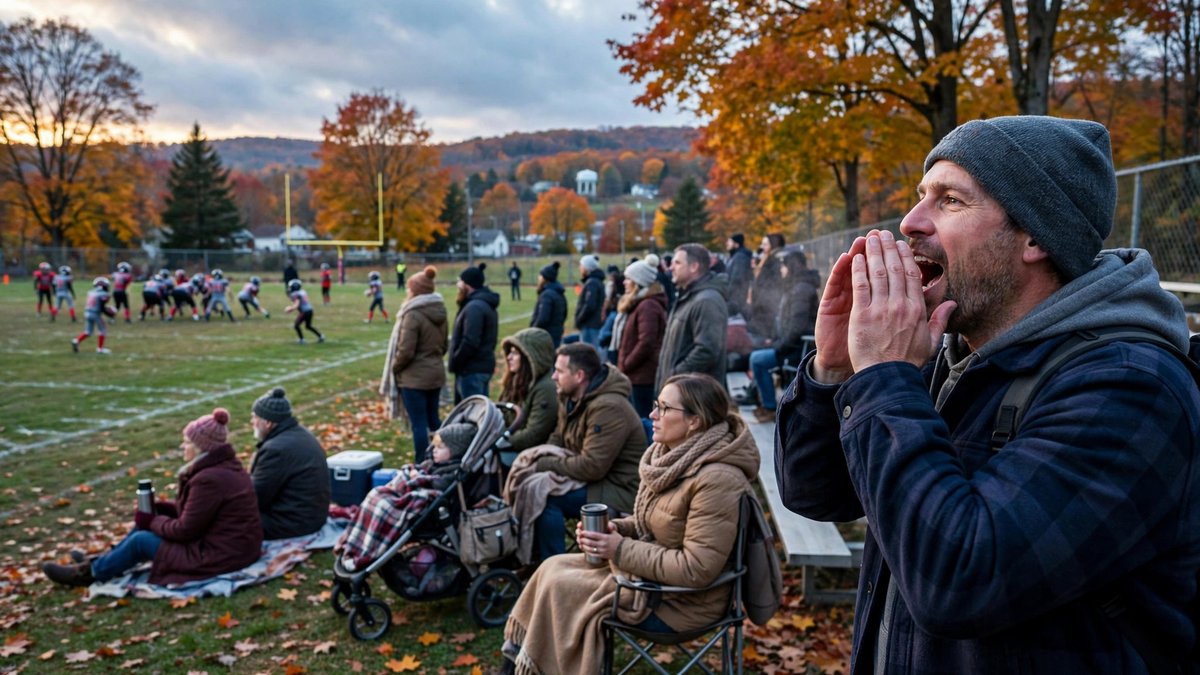
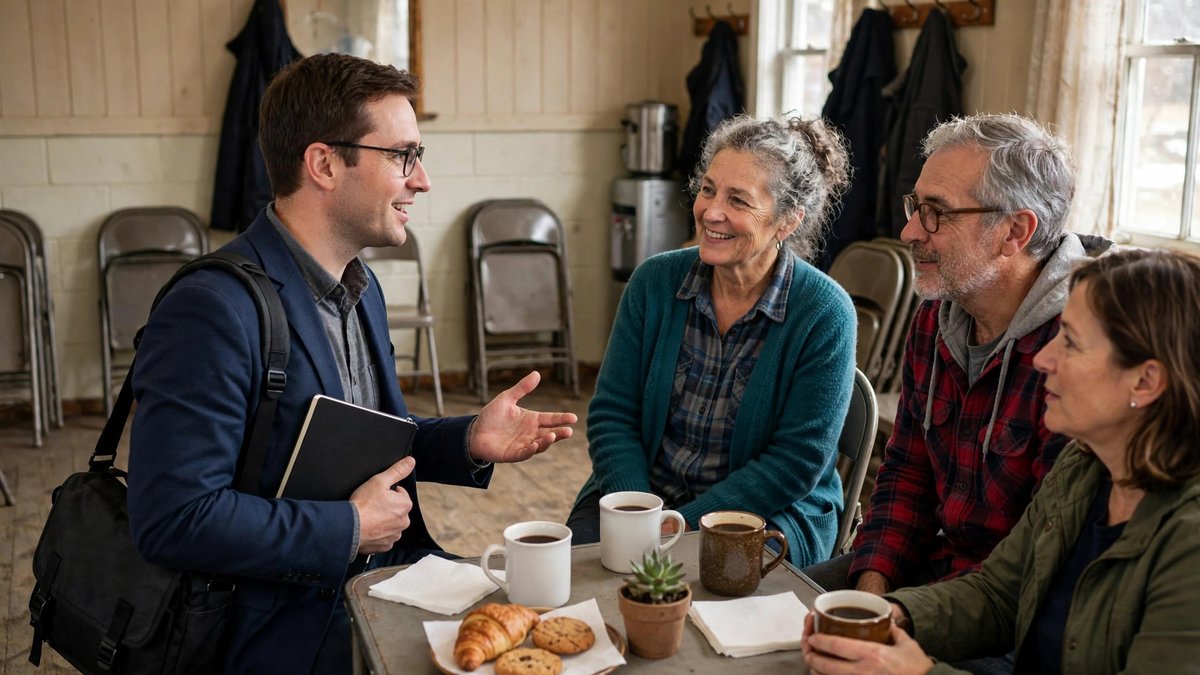
Most of my best business relationships started nowhere near a sales call. They started at ball fields, fundraisers, diner counters, and community events where the only agenda was being part of this place. I show up to those things as a dad and a neighbor first. If somebody asks what I do, I answer plainly and briefly. Then I ask about their world and actually listen, because people can smell a pitch wearing a costume from across a parking lot.
There is a patience to this that took me years to learn. I came up in faster sales cultures where follow-up meant a sequence and urgency meant pressure. Here, urgency reads as desperation and pressure reads as character. What works is steady presence. Be around. Be useful when you can, with no invoice attached. Remember what somebody told you about their kid, their expansion, their headaches with the old system. Then, months later, when they are ready to talk business, you are not a stranger with a proposal. You are the person they already decided to trust, and the conversation starts three steps ahead of any cold call I have ever made.
None of that is a trick, and it falls apart if it becomes one. People here have excellent radar for performed kindness. The only version that works is the true one.
The Deck Matters Less Than the Follow-Through
I still prepare. I still know SAP Business One and Odoo cold, and I still walk in ready to talk honestly about what a system can and cannot do for a specific business. But I have learned that owners here are not really buying features in that first conversation. They are buying the feeling that if something breaks on a Friday, this person will answer, show up, and stay until it is right.
So I sell the follow-through, out loud. I tell people exactly how I work after the signature, how problems get handled, and where my limits are. I put promises in plain language and then I keep a private scorecard on whether I hit them. Returning a call when I said I would is a sales activity. Sending the summary I promised is a sales activity. Admitting a mistake before the customer finds it is the most powerful sales activity I own, because almost nobody does it and everybody remembers it.
Handshakes here are not a rejection of contracts. We still write things down, clearly, because clarity protects both sides. The handshake is the spirit underneath the paperwork. It says my word is part of this deal, and if I fail you, I will hear about it at the grocery store, and I should. That accountability makes me better at my job than any sales training I ever sat through.
Play the Long Game in a Small Market
A small market punishes short-term thinking fast. Squeeze one customer and you have not lost one customer, you have told the whole network how you operate. Treat one customer right, especially when it is inconvenient, and the same network hears that too. I have had referrals arrive years after the original favor, from people I barely remembered helping. The town remembered, even when I had forgotten.
So I measure my selling in years, not quarters. I would rather be the second call somebody makes forever than the pushy first call they regret once. I keep learning my products, keep my promises small enough to keep, and keep showing up in rooms where nothing is for sale. That is the entire strategy, and it is not really a strategy at all. It is just how business works in a place that runs on handshakes, and honestly, I think the rest of the world could stand to learn from it.
Frequently Asked Questions
Does trust-based selling mean you never use presentations or proposals?
No, I use both, and I take them seriously. Clear proposals protect the customer and protect me. The point is about order and weight. In a small market, trust gets you the honest conversation, and the proposal documents what trust already built. A polished deck cannot rescue a shaky reputation here, but a solid reputation plus a clear, honest proposal is a combination that wins work and keeps it for years.
How do you handle it when your product is not the right fit?
I say so, plainly and early, even when it costs me a deal I wanted. Sometimes I point the owner toward a simpler tool or a different approach entirely. That honesty stings for about a day and pays for about a decade. In my experience, the deals you talk yourself out of for the right reasons come back as referrals from people who watched you protect a customer instead of your commission.
What is one small follow-through habit that builds trust fastest?
Do the tiny promised thing at the promised time. Call back when you said you would. Send the note, the answer, the introduction, whatever it was, without being reminded. Big promises impress people once. Small promises kept repeatedly change what they believe about you. In a town where word travels, that steady record becomes your reputation, and your reputation quietly outsells every campaign you could run.
How long does it take before showing up starts turning into business?
Longer than a quarter and shorter than forever, which I know is an unsatisfying answer. In my experience, consistent presence starts producing real conversations within months, and deep referral trust builds over a year or two of doing what you said you would do. The owners who fail at it usually quit at month three, right before it compounds. Show up, be useful, keep your word, and let the town do what towns do.