
Services — ERP
SAP Business One
The ERP I’ve sold, delivered, and run the business of — implemented for SMBs who need it done right.
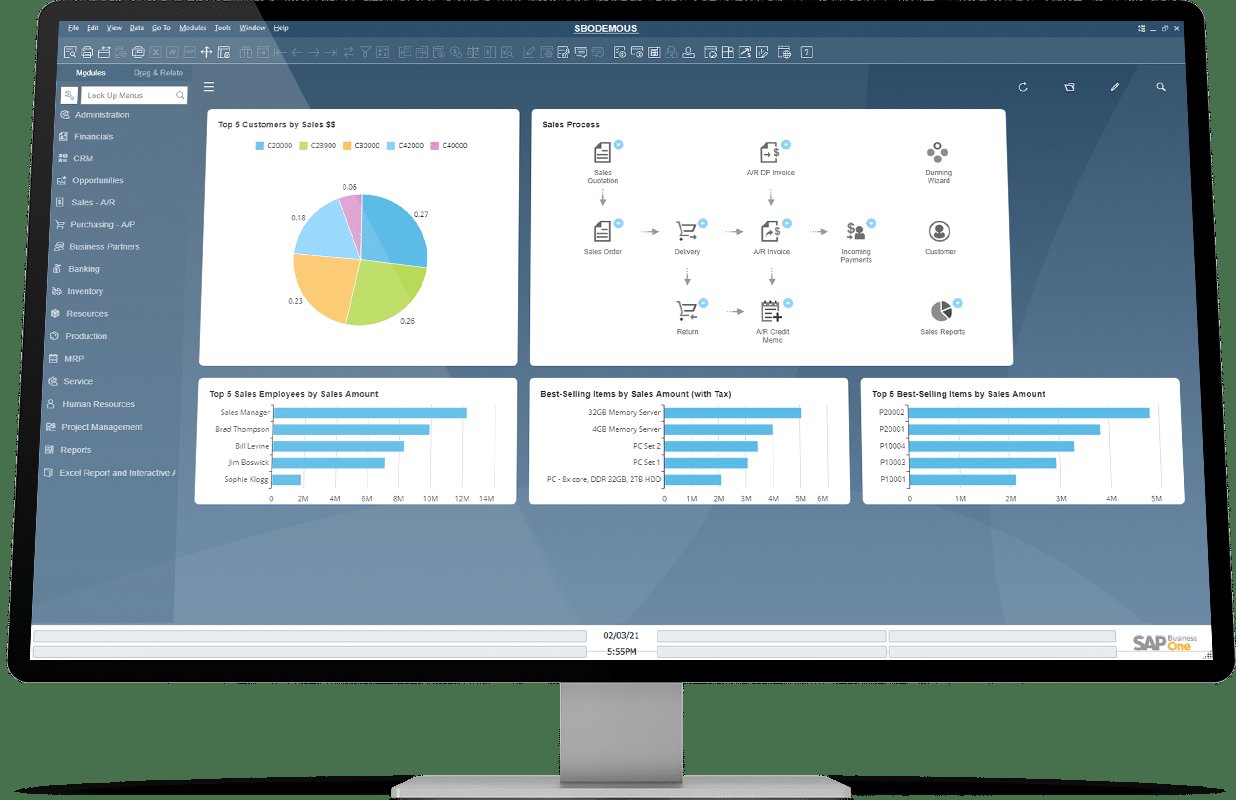
I don’t just implement SAP Business One — I’ve run the business of implementing it. As General Manager of the Northeast region at Vision33, a leading global SAP Business One partner, I owned the P&L of selling and delivering B1. As VP of Business Development at SEIDOR, I saw how enterprise software gets sold from the inside. That means when I scope your project, I’m drawing on the full picture: what the software does, what the implementation really takes, and where the bodies are buried.
SAP Business One is the real deal for small and midsize businesses that have outgrown entry-level accounting: genuine financial depth, serious inventory and warehouse management, manufacturing support, and a mature ecosystem of add-ons and integration partners. It’s not the cheapest option and it’s not trying to be — it’s the option for companies that need the system to be right, because the business depends on it daily.
I deliver B1 through Quaint Business Solutions, where I’m Head of Sales — full-cycle: selection, scoping, implementation, go-live, and support after. And because I also implement Odoo, you’ll get an honest recommendation, not a sales pitch. If B1 isn’t your answer, I’ll say so — start with independent ERP selection consulting if you’re still weighing options.
Does this sound familiar?
Your inventory numbers are fiction. The system says you have it, the shelf says you don’t, and nobody can tell you what anything actually costs. B1’s inventory and costing discipline fixes this — but only if the implementation sets up costing methods, warehouses, and bin discipline correctly from the start. I’ve cleaned up the messes left by implementations that skipped this; we do it right the first time.
Month-end close is a hostage negotiation. Two weeks of reconciling, spreadsheets flying, and financials nobody fully trusts when they finally land. Companies move to B1 for one reason above all: numbers they can close on, audit, and believe. I implement the financial controls and period discipline that make close boring — boring is the goal.
Your B1 partner went quiet. Stopped answering tickets, stopped returning calls, left you with a half-configured system and a support contract nobody honors. This is more common than the industry admits, and it’s one of the reasons I do what I do. I take over orphaned B1 systems: assess, stabilize, and either get you moving again or give you an honest exit plan.
You’re running B1 plus five add-ons held together with hope. EDI bolted on, payments bolted on, a warehouse module nobody fully configured — each one sold as “integrated” and none of them actually talking to each other cleanly. I sort the add-on sprawl: what’s earning its keep, what’s shelfware, and what the integration picture should have looked like from day one.
Is SAP Business One the right fit for your company?
Companies that need financial rigor and operational control: distributors managing real inventory complexity, manufacturers needing production visibility, growing firms where the CFO (or the owner acting as CFO) needs numbers they can trust and audit. B1 fits businesses that will invest properly in implementation — because this is a system you do once and do right, not a tool you wing. If your operation lives and dies on inventory accuracy, costing, and financial control, B1 deserves a hard look.
What does SAP Business One really cost?
The direct answer: more than the license quote, and anyone who gives you one number is selling, not scoping. A real B1 budget has five buckets — licenses, implementation services, data migration, training, and add-ons — plus the internal time your team invests. The license line is the only one a vendor can quote honestly up front; the other four depend entirely on your processes, your data, and your scope discipline. I build the full five-bucket math with you on a call, no lowball. And I’ll tell you plainly when B1 is more system than you need — sometimes the right answer is Odoo at half the project cost, and I’d rather earn your trust than your license fee.
What’s included
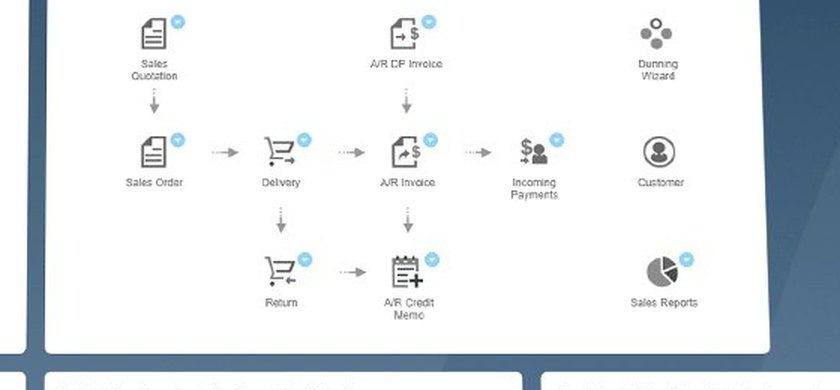
- Fit assessment: does B1 match your requirements, or is Odoo the better call? Honest answer first
- Blueprinting: your processes mapped to B1’s capabilities, gaps identified before configuration starts
- Full-cycle implementation: configuration, data migration, testing, training, go-live
- Add-on and integration guidance: EDI, warehouse, payments, ecommerce — what’s worth it and what isn’t (see my add-ons guide)
- Post-go-live support and optimization — the system keeps getting better after launch
- Rescue work: struggling or stalled B1 projects assessed and stabilized
Further reading
- SAP Business One Add-Ons Actually Worth Your Money — which add-on categories deliver real ROI
Official SAP resources (straight from the vendor):
FAQ
Is SAP Business One overkill for a small business?
Sometimes — and I’ll tell you when. B1 is a serious system with serious implementation behind it. If you’re a 10-person services firm, Odoo is probably the better fit. If you’re a distributor with three warehouses or a manufacturer with real production complexity, B1 is exactly the right weight class. Fit first, brand second.
What does a B1 implementation really cost?
Licenses plus implementation services plus data migration plus training plus add-ons — and the internal time your team invests. I won’t quote you a number on a webpage because any number I put here would be fiction for your specific situation. What I will do: build you honest TCO math on a call, all five buckets, no lowball. Read how TCO math works first.
Our current B1 partner stopped being responsive. Can you help?
Yes — this is more common than you’d think, and it’s one of the reasons I do what I do. We assess where your system stands, stabilize what’s critical, and either get the project back on track or plan the path forward. You don’t have to stay married to a partner that ghosted you.
How long does implementation take?
A well-scoped SMB implementation runs in months. The variables are scope clarity, data cleanliness, and how available your team is for decisions and testing. I’d rather give you a realistic timeline on a call than a fantasy number here — see my post on implementation timeline math for why the industry’s numbers can’t be trusted.
We’re on QuickBooks Enterprise. Is the jump to B1 worth it?
If you’re asking, you probably already know the answer. QuickBooks Enterprise stretches impressively far — until it doesn’t: multi-warehouse inventory, real manufacturing, audit-grade financials, and integrations that don’t break every quarter. The jump is worth it when the workarounds cost more than the system. On a call I’ll map your specific breaking points and tell you whether you’re there yet — or whether you’ve got another year or two of runway.
B1 done right, by someone who’s run the whole show.
Thirty minutes. Straight answers about fit, cost, and timeline.
Book a free consult