
The Freight Bill on the Corner of the Desk
I once watched a controller open a freight invoice, squint at it, and put it in a pile for later. Later had its own pile. By month-end, dozens of delivery charges had been lumped into one expense line because matching them to shipments felt impossible. The problem was not effort. She was one of the hardest-working people in that building. The problem was that nobody had built a simple path from the freight bill back to the receiving paperwork, so every bill became a small research project nobody had time for.
Here is what that pile quietly costs you. Your items carry only their purchase price, so your margins look better than they really are. You price the next order off a fantasy. One product line looks like a star while freight eats its profit in the background, and another looks weak for no reason at all. I have sat with owners making keep-or-drop decisions off those numbers, confident and wrong at the same time. Landed costs exist to end that guessing. When freight and related charges are allocated onto the items that actually arrived, your cost tells the truth, and truth is a much better business partner.

What Belongs in a Landed Cost
Keep this simpler than your instincts want to make it. Start with the charges that clearly exist because a specific shipment exists. Freight is the obvious one. Delivery-related fees tied to that load belong in the conversation too. If a charge would vanish when the shipment vanishes, it probably belongs with the shipment. If it is a general cost of running the building, it probably does not, and forcing it in just muddies the water you are trying to clear.
The allocation itself should follow a fair, consistent logic. Many businesses spread costs by value, by weight, or by quantity, depending on what actually drives the charge. There is no single sacred method, and I tell clients to stop hunting for one. Pick the method that matches how the carrier charges you, write it down, and use it the same way every time. Consistency beats cleverness here, because your goal is comparable margins month after month, not a perfect number nobody can reproduce.
In SAP Business One, the landed cost step ties those charges to a goods receipt, so the added cost flows into the item cost where it belongs. Done regularly, it becomes a short routine instead of a quarterly reconstruction. Done rarely, it becomes the pile on the desk all over again.
The Receiving Habit That Makes It Work
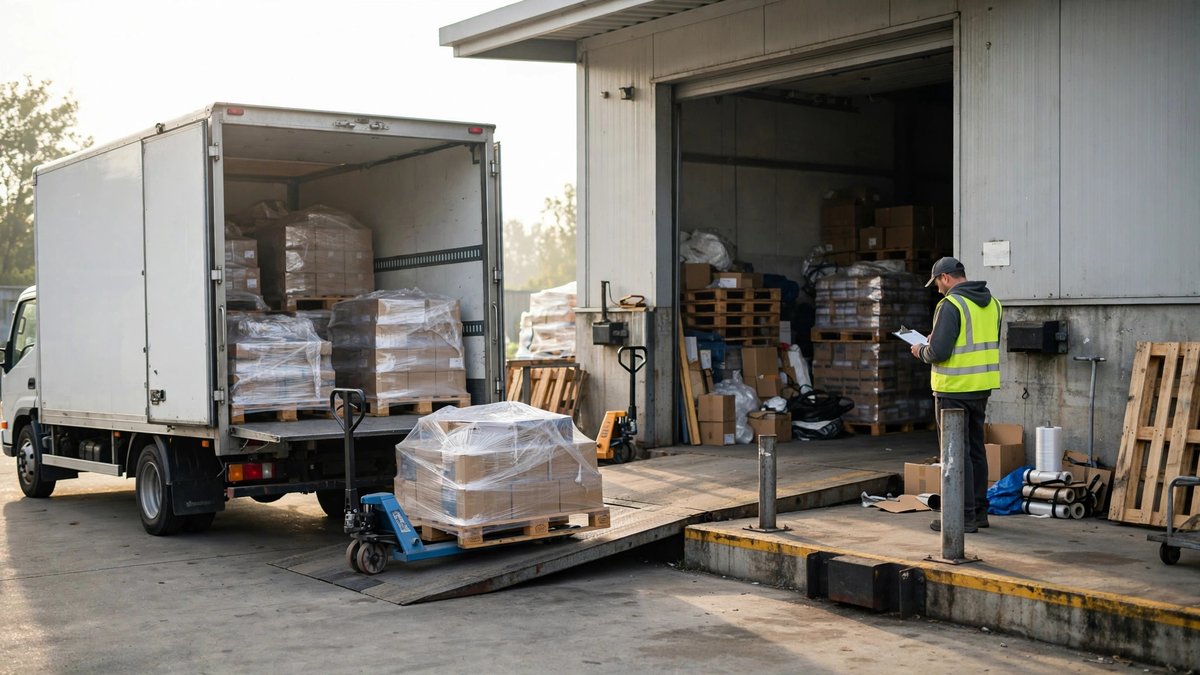
Landed costs live or die at receiving, long before accounting touches anything. If the dock counts loosely, packs paperwork loosely, and sends surprises upstairs, no system feature can save the numbers. The habit I teach is plain. Receive against the purchase order. Note shortages and damage the same day. Keep the delivery paperwork with the receipt until the charges are processed. One pile, one shipment, one story.
That last part sounds old-fashioned, and it wins anyway. Whether your paperwork is paper or scans, the freight bill needs a fast road back to the receipt it belongs to. When the bill arrives, whoever processes it should be able to answer one question in under a minute: which goods receipt is this for. If that answer takes an afternoon of digging, fix the filing before you blame the software. In my experience, most landed cost failures are really paperwork travel failures wearing an accounting costume.
Train the handoff, too. Receiving knows things accounting never hears, like the shipment that arrived in two parts or the pallet that showed up damaged. A five-minute conversation during the week saves a five-hour mystery at month-end. Good cost accounting is mostly good communication with receipts attached.
Margins That Tell the Truth
Once landed costs run as a habit, something satisfying happens in the review meetings. The arguments change. Instead of debating whether the numbers feel right, the team can see which items truly carry their weight after delivery costs are counted. Purchasing gets smarter because the real cost of a distant supplier is finally visible next to the real cost of a closer one. Sales gets smarter because pricing conversations start from honest margins, not hopeful ones.
I am not promising the truth is always pretty. Sometimes a favorite product turns out to be a freight-eating hobby, and that is an uncomfortable meeting. But I would rather have that meeting in March, with time to renegotiate, reprice, or reroute, than discover it in December after a year of selling hard for almost nothing. Your system already holds most of what you need. Tie the freight to the goods, every week, with a habit your team can actually keep, and SAP Business One will stop politely lying to you about what things cost.
Frequently Asked Questions
What is a landed cost in plain language?
It is the true cost of getting an item into your building, ready to sell or use. That means the purchase price plus the delivery-related charges that shipment caused, like freight, spread across the items that arrived. Instead of burying those charges in a general expense, you attach them to the goods themselves. The result is an item cost you can trust when you price, reorder, and judge which products actually make money.
How often should landed costs be processed?
As close to receiving as your team can manage, and at minimum on a steady weekly rhythm. When landed costs wait until month-end, the matching work piles up and shortcuts start looking attractive. Processing them while the shipment is still fresh in everyone's mind takes minutes. In my experience, a short routine tied to receiving beats a heroic cleanup every time, and the inventory values stay honest all month long.
What if a freight bill covers several shipments at once?
It happens, and it is manageable if your receiving records are clean. Work from the delivery details, match each portion to its goods receipt, and allocate each share the same consistent way you handle single-shipment bills. The key is documenting what you did so the next bill gets handled identically. If multi-shipment bills are constant in your business, raise that pattern with your carrier or your process, because cleaner inputs make cleaner costs.
Which allocation method should my business use?
Use the method that mirrors how the charge was created. If freight follows weight, allocate by weight. If it follows the value or size of the load in another clear way, match that instead. What matters most is consistency and a written rule your team follows every time. A reasonable method applied steadily produces margins you can compare and trust. A perfect method applied randomly produces numbers nobody should make decisions on.