
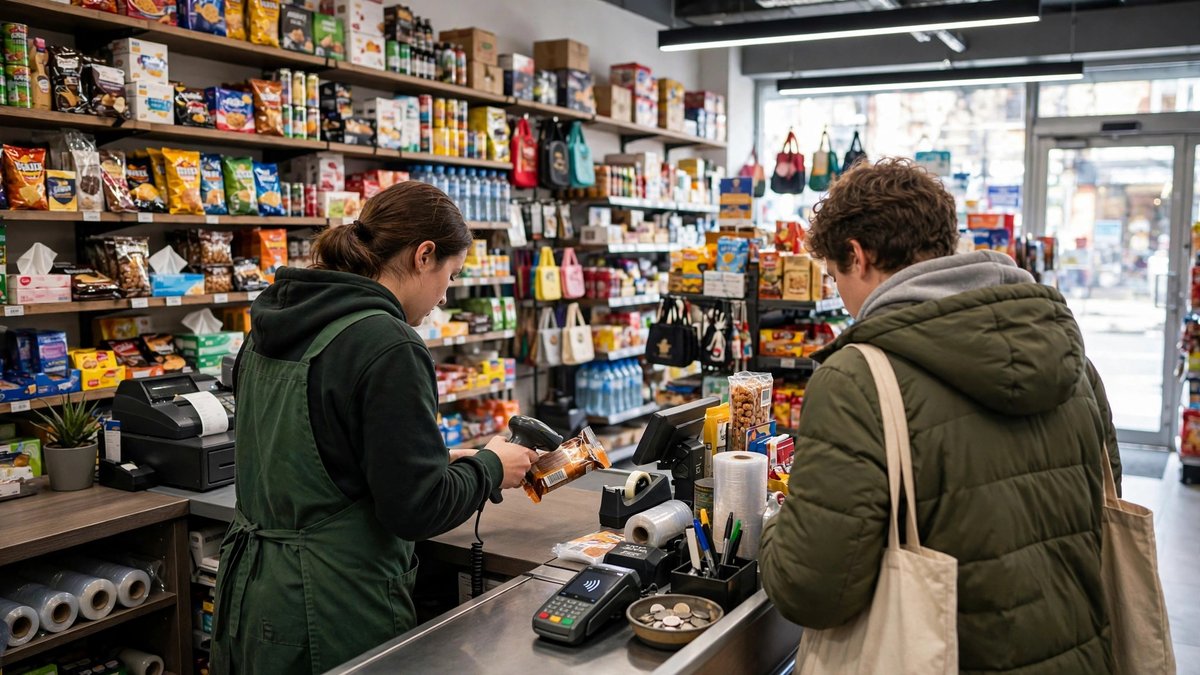
The Line Does Not Forgive Bad Habits
Nothing exposes a weak routine like a Saturday line. I have stood in small shops and watched a great cashier get slowed to a crawl by small things. A product with no barcode. A price somebody has to shout across the store. A return that requires finding the owner because nobody else knows the steps. The customers were patient, because small-town customers usually are, but patience is a loan, and it comes due.
The lesson I bring to every POS conversation is that checkout speed is built hours before the rush. It is built when items get entered properly, when barcodes get printed and stuck, and when the team agrees on one way to handle the five situations that happen every single day. Odoo gives you a clean counter screen and a sensible flow. Your job is to stop feeding it exceptions. Every item that has to be searched by hand, remembered by heart, or explained out loud is a small tax on every transaction, and taxes compound when the line gets long.
Start by watching your own counter for one busy hour with a notebook. Write down every pause. In my experience, the list that comes back is almost never about technology. It is about preparation, and preparation is fixable with a free Saturday morning and a little stubbornness.

Barcode Discipline Is Counter Discipline
Scan everything. That is the whole sermon, but let me preach it properly. When staff key in items by searching names, two things go wrong. Sales get slower, and inventory gets fictional. The product they picked from a fuzzy search is not always the product in the customer's hand, so your stock counts drift and your reorders chase ghosts. A scan takes a second and tells the truth. A search takes twenty seconds and tells a story.
Make scanning possible everywhere it should be. Every shelf item gets a readable barcode, including the awkward ones people avoid labeling. New stock gets labeled at receiving, not someday. Damaged labels get replaced the day they are noticed, because a peeling barcode in week one is a manual search for the next year. Keep a simple way to handle the genuinely codeless items, like a short list of quick keys the whole team uses the same way, and review that list so it stays short.
Test your own setup like a customer. Grab ten random items and scan them at the register. Any failure you find is one your staff finds daily, probably while a line watches. Fix those ten, then repeat monthly. Shops that do this stop having mysterious inventory problems that were just unscanned sales wearing a disguise.
Returns Will Test Your System and Your Mood
Returns are where inconsistent shops lose money quietly. One employee refunds anything with a smile, another demands paperwork nobody has, and a third puts returned items back on the shelf without telling inventory. The customer experience swings wildly, the stock numbers drift, and nobody can reconstruct what happened when a question comes up a week later.
Write the return routine down and make it one routine. What proof of purchase you accept, who can approve what, how the item gets inspected, and how it goes back into stock or out of it. Then run every return through the point of sale itself, not around it, so the sale, the refund, and the inventory movement stay connected as one story. In my experience, that single rule fixes most return chaos. Side deals at the counter, however kind they feel, are where records go to die.
Train the whole counter team on the same steps, including the uncomfortable part, which is saying a polite no when the routine requires it. A written policy protects your staff from having to invent fairness under pressure with a line behind the customer. It also protects good customers, because the shop that controls return losses can afford to be generous where generosity is actually deserved.
Close the Day Like You Mean It
The end-of-day close is the POS habit I defend hardest, because it is the one tired people skip. Count the drawer, close the session, look at the number, and deal with differences while the day is still memorable. A small mismatch investigated at closing is a two-minute conversation. The same mismatch found three weeks later is an unsolvable mystery that poisons trust in the whole system.
Make the close a checklist, not a vibe. Cash counted by a person, totals reviewed, obvious mistakes noted in writing, and the day properly closed in the system before the lights go out. If your shop has slow and busy seasons, the checklist matters even more, because seasonal help cannot be expected to absorb unwritten rituals. What is written gets done the same way by everyone, including you on your most exhausted Friday.
One more reality to plan for honestly: connections drop. Small shops lose internet at the worst moments, usually during a rush, in weather, with a line. Talk through what your team does when that happens before it happens, keep selling the way your setup allows, and reconcile as soon as things reconnect. The shops that survive a dropout calmly are the ones that treated offline as a normal Tuesday possibility instead of a disaster nobody mentioned. Preparation, again. It is always preparation.
Frequently Asked Questions
What breaks first when a small shop starts using a point of sale?
Usually the habits, not the software. Items without barcodes, inconsistent product names, and staff workarounds create slow checkouts and drifting inventory within weeks. The fix is preparation: label everything at receiving, scan instead of searching, and agree on one routine for the everyday situations. Shops that clean up those basics find the system feels reliable very quickly, because the counter finally runs the way the software always assumed it would.
How should returns be handled at the register?
Run every return through the point of sale so the refund and the inventory movement stay connected to the original sale. Follow one written routine covering proof of purchase, approval, and how the item is inspected and restocked or removed. Side refunds outside the system, even well-intentioned ones, break your records and your counts. A consistent routine also protects staff, who can point to policy instead of improvising under pressure.
Why does the end-of-day close matter so much?
Because small problems are only solvable while the day is still fresh in memory. Counting the drawer and closing the session every night catches mismatches when they are still two-minute conversations. Skip closes for a week and you inherit mysteries nobody can untangle, plus inventory and cash numbers nobody fully trusts. A short written checklist makes the close fast and identical no matter who works that night.
What should we do when the internet drops during a rush?
Decide the plan on a calm day, not during the rush. Make sure the team knows how your setup handles selling through a connection loss, keep serving customers calmly, and reconcile everything as soon as you are back online. Then note what happened so patterns get noticed. Shops in areas with shaky connections should test their plan occasionally. A rehearsed dropout is an inconvenience. An unrehearsed one feels like a catastrophe.