The night it clicked
My daughter is in eighth grade. My son is nine. They've heard my guitars all their lives — the Aerosmith records, the Joe Perry riffs bleeding through the walls while they did homework. But hearing it at home and feeling it live are different universes.
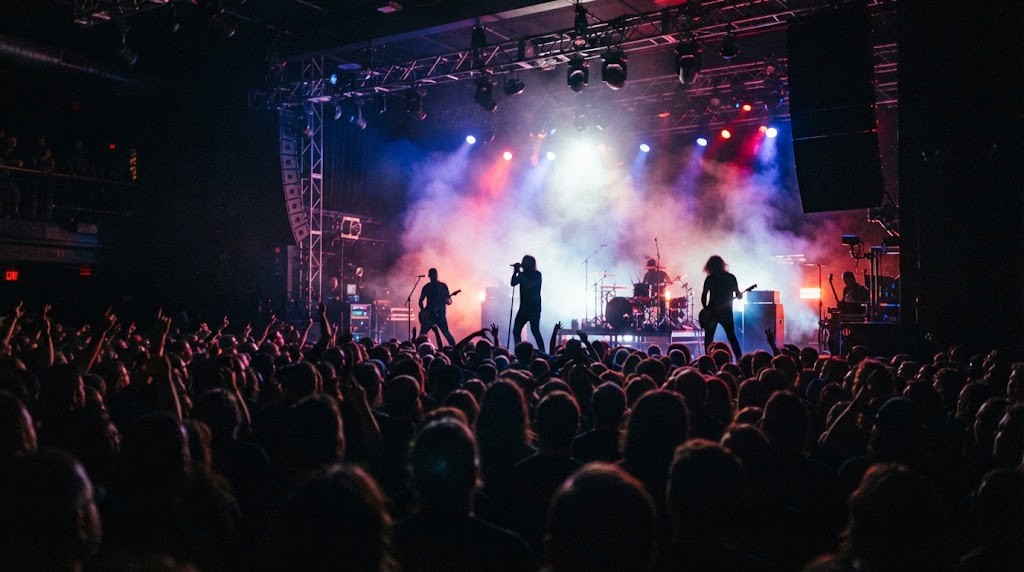
So we went. Real venue, real crowd, real volume. And I watched their faces during the first song the way I've watched crowds my whole life — that moment when the noise hits your chest and your brain just surrenders to it.
My son turned to me halfway through the set, eyes huge, and yelled over the music: "Dad, THIS is what you've been talking about!"
Yeah, kid. That's exactly what I've been talking about.
You can't inherit passion by proximity
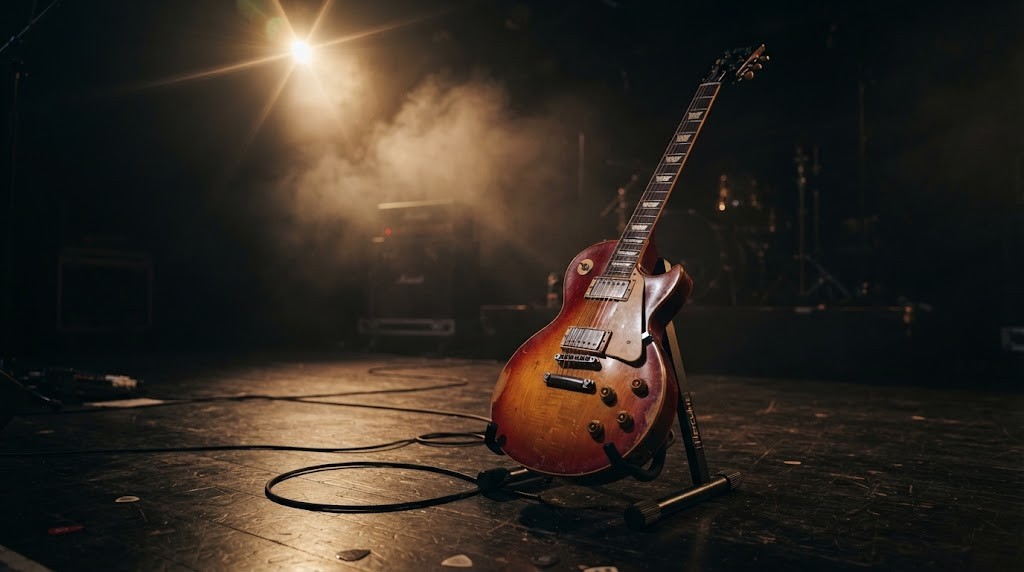
Here's what I got wrong for years: I assumed that because the music was always around them, they'd absorb it. That's not how it works. Proximity isn't transmission.
It's the same mistake I see business owners make with their teams. They assume the culture, the standards, the why — that all of it just radiates outward because they're in the building. It doesn't. You have to deliberately hand it over: tell the stories, bring people into the room, let them feel it firsthand.
I had to take my kids to the show. I couldn't just keep playing records and hoping.
Let them make it theirs
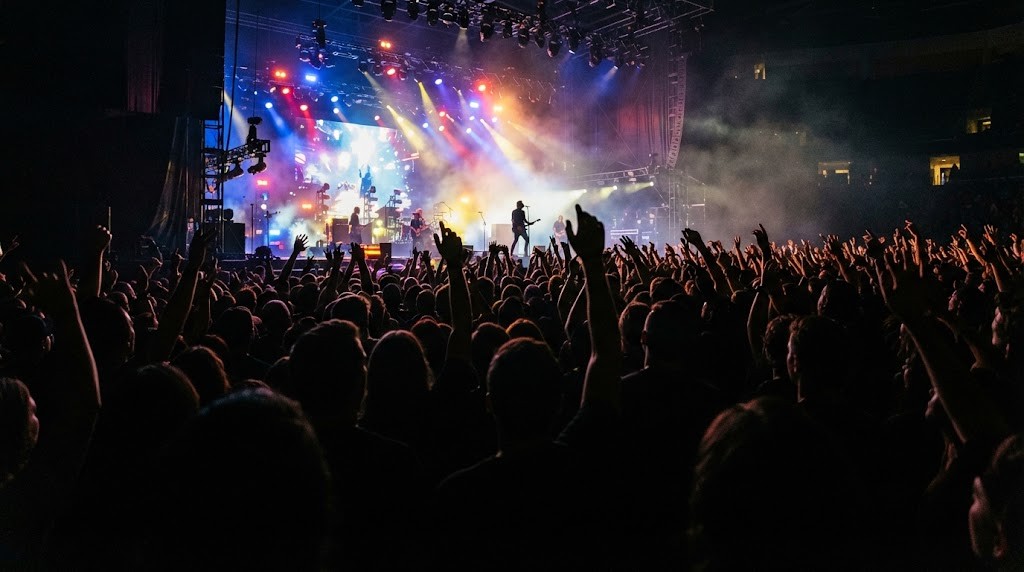
The best part of the night wasn't that they loved what I love. It's that by the third song, they weren't watching me anymore — they were having their own experience. My daughter found her own favorite song (not one of mine). My son decided the drummer was the coolest person alive.
That's the whole point of passing the torch. You're not cloning yourself. You're giving them the raw material and trusting them to build something you didn't expect.
In business, this is succession. In bands, this is the next generation of fans. At home, this is just being a dad — and it's the best part.
The setlist principle, live
I've written before about the setlist principle — that great businesses run like great shows. That night I saw the other side of it: great shows are also how you recruit the next generation. Every band on that stage was once a kid in the crowd, eyes huge, getting their chest rattled by somebody else's noise.
Someone brought them. Someone handed them the torch. Now it's my turn, and then it'll be theirs.
The business version of this
Everything I just described has a direct parallel at work, and I did not see it until I was sitting in that venue.
When I onboard someone, I assume the standards are obvious because they are standing in the building. They are not obvious. They are obvious to me.
So now I do the deliberate version. I tell the story of a hard call we made and why. I walk a new person through a real job, start to finish, so they see the standard applied instead of described. I put them in the room when a customer is unhappy, because that is where culture is actually transmitted, not in a slide deck.
Proximity is not transmission. It never was.
What they picked, and why it surprised me
My daughter's favorite song was not one of mine. She found one in the middle of the set that I would not have chosen. My son decided the drummer was the coolest person alive, which, to be fair, is correct.
I had a moment of wanting to correct them. Then I realized that was the whole test. If they had walked out loving exactly what I love, in exactly the order I love it, I would have failed. I would have made fans of me instead of musicians of themselves.
The same thing happens with the people you mentor. The good outcome is not that they do it your way forever. It is that they eventually do it their way, well, and you can watch it happen without needing credit.
The part I did not expect
What I did not anticipate is that it would change how I listen. Watching someone hear a song for the first time makes you hear it again for the first time.
That is the actual gift of teaching anything. You get the thing back, fresh, because you are seeing it through someone who has no history with it.
I have gotten that from employees too. A new person asks "why do we do it this way?" and about a third of the time the honest answer is "because we always have." That question is worth more than most consulting engagements.
Start earlier than feels natural
One more thing I would tell any parent, or any manager. Do not wait for the big set-piece moment.
You can hand the torch over at the kitchen table. Put the record on while you cook. Explain why that guitar solo is the good one. Show them the thing you love while you are doing it, not in a formal presentation.
By the time we got to that concert, my kids already had ten years of context. That is why the first song landed the way it did. The concert was not the beginning. It was the payoff.
My kids' first concert taught me that passion doesn't transfer by proximity — you have to deliberately hand it over and then let them make it their own. The same applies to business culture, team standards, and everything else that matters: tell the stories, bring people into the room, and trust them to build something you didn't expect. The torch only passes if someone carries it over.
Frequently asked questions
What does "passing the torch" mean in this post?
It means deliberately handing over the things that shaped you — the music you love, the standards you run on — instead of assuming the people around you absorb them by proximity. Proximity is not transmission. You have to bring them into the room and let them feel it firsthand.
How old are David's kids?
His daughter is in eighth grade and his son is nine. Both grew up hearing guitars and Aerosmith records through the walls at home — but hearing music at home and feeling it live turned out to be different universes.
How does this apply to running a business?
The same way it applies at home. Culture and standards do not radiate outward just because you are in the building. You hand them over deliberately: tell the story of a hard call and why you made it, walk a new person through a real job start to finish, and put them in the room when a customer is unhappy.
What is the setlist principle?
It is the idea that great businesses run like great shows — prepared, sequenced, and performed with intent. The concert flipped it around: great shows are also how you recruit the next generation, because every band on stage was once a kid in the crowd whose chest got rattled by somebody else's noise.