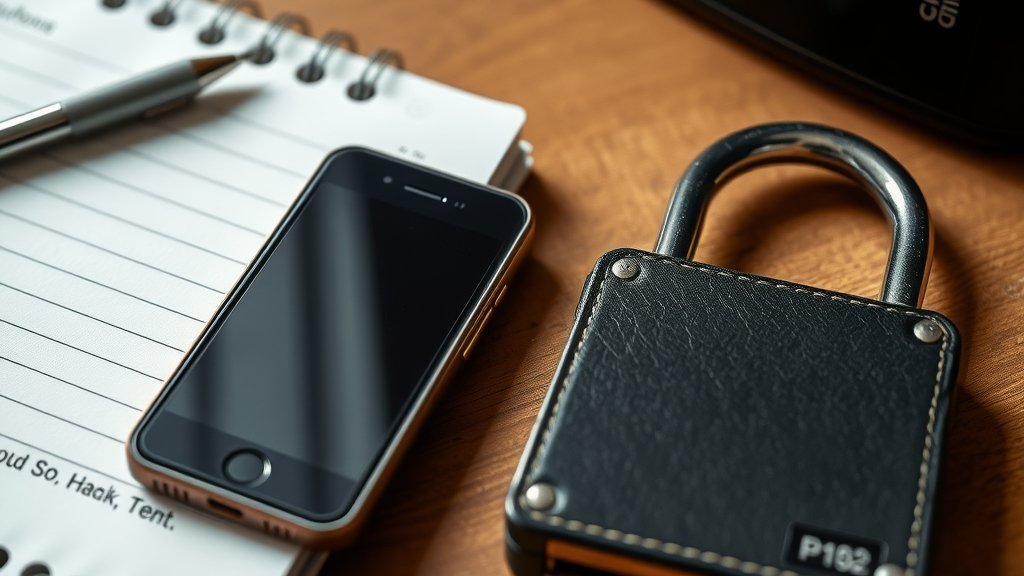
Why Wallet Hygiene Matters for Small Businesses
When your business starts accepting crypto or holding some on the books, it stops being a hobby. It becomes part of your cash flow and your balance sheet. One bad click or lost seed phrase can wipe out supplier payments or employee bonuses. Hygiene is not about paranoia. It is about treating business money with the same care you give your bank account. Most breaches happen because someone skipped a basic step they thought was too simple to matter. Good habits compound. They prevent the kind of emergency that eats an entire weekend and costs real trust with customers.

Choose the Right Wallet Type for Your Needs
Decide early whether you need a hot wallet for daily transactions or a cold wallet for longer-term holdings. Hot wallets stay connected to the internet for speed and convenience. They work well for accepting customer payments or paying vendors quickly. Cold wallets stay offline most of the time and are better for amounts you do not touch often. Many owners use both. Keep only what you need for the next week or two in the hot wallet. Move the rest to cold storage. This simple split limits damage if one device gets compromised. Test small transfers both ways before you move serious money.
Set Up Strong Access Controls
Use a unique, long password for every wallet app or exchange account. Password managers make this easy. Turn on two-factor authentication everywhere it is offered, and prefer hardware keys over text messages when possible. Never share your seed phrase with anyone, not even a supposed support person. Write the seed phrase down once on paper, store the paper in two separate secure locations, and never store it digitally. If you use a hardware wallet, set a strong PIN and never leave the device plugged in when you are not using it. These steps sound basic because they are. They also stop most common attacks.
Practice Regular Backup and Recovery Testing
Back up your wallet every time you create a new one. Then test the backup. Create a small test transaction, wipe the wallet, and restore from your backup. Do this quarterly. Life changes. Phones get dropped. Computers get replaced. A backup you have never tested is just a piece of paper with false confidence. For business wallets, document the recovery process in a simple one-page guide that another trusted person on your team could follow if you are unavailable. Keep that guide in the same secure place as one copy of the seed phrase.
Watch for Common Threats
Phishing emails pretending to be from wallet providers are everywhere. They almost always create urgency. “Your wallet will be locked in 24 hours.” Real companies do not send messages like that. Fake apps on app stores copy popular wallet names with slight spelling changes. Download only from official sources. Public Wi-Fi is convenient but risky for wallet logins. Use your phone hotspot or wait until you are on a trusted network. Be careful with QR codes too. Scan them only when you created them yourself. These threats evolve, but the pattern stays the same: they want you to move fast and skip verification.
Keep Records Without Overcomplicating
For every business-related wallet transaction, note the date, amount, purpose, and counterparty in a simple spreadsheet. This helps at tax time and also lets you spot unusual activity quickly. Review the list once a month. If something looks off, investigate immediately. Separate personal and business wallets completely. Mixing them creates confusion and raises the chance you will accidentally expose business funds. A clean separation also makes bookkeeping easier when your accountant asks questions later.
More posts like this live on the blog.
Build Habits That Last
The best security is boring consistency. Set calendar reminders for backups, reviews, and software updates. Treat wallet hygiene like locking the office door at night. It is not exciting, but it keeps the business running. Start with the two or three steps that feel easiest this week. Add one more next month. Over time these small actions become automatic. When crypto is just another payment method instead of a constant worry, you get to focus on growing the business instead of protecting every satoshi.
Frequently Asked Questions
What is the biggest mistake small business owners make with crypto wallets?
They treat them like personal hobby wallets instead of business accounts. That means weak passwords, no separate business wallet, and skipping regular backup tests. One mistake can mix personal and business funds or leave the business unable to pay bills if access is lost. Treating it like real money from day one prevents most problems.
How often should I test my wallet backup?
At least once every three months. Create a tiny test transaction, delete the wallet, then restore it completely. Confirm you can send and receive again. Life moves fast. The only way to know your backup still works is to use it. A quarterly habit takes ten minutes and removes huge risk.
Should I use the same wallet for personal and business transactions?
No. Keep them completely separate. Different seed phrases, different devices if possible, and different passwords. Mixing the two makes record-keeping messy and increases the chance that a personal mistake exposes business funds. The small extra effort pays for itself the first time you need clean records.
What should I do if I think my wallet has been compromised?
Stop using it immediately. Move any remaining funds to a new, clean wallet you just created on a different device. Change every related password and enable fresh two-factor methods. Document exactly what happened for your own records and consider talking to a professional who understands crypto security. Speed matters, but do not panic and send funds to the wrong place.