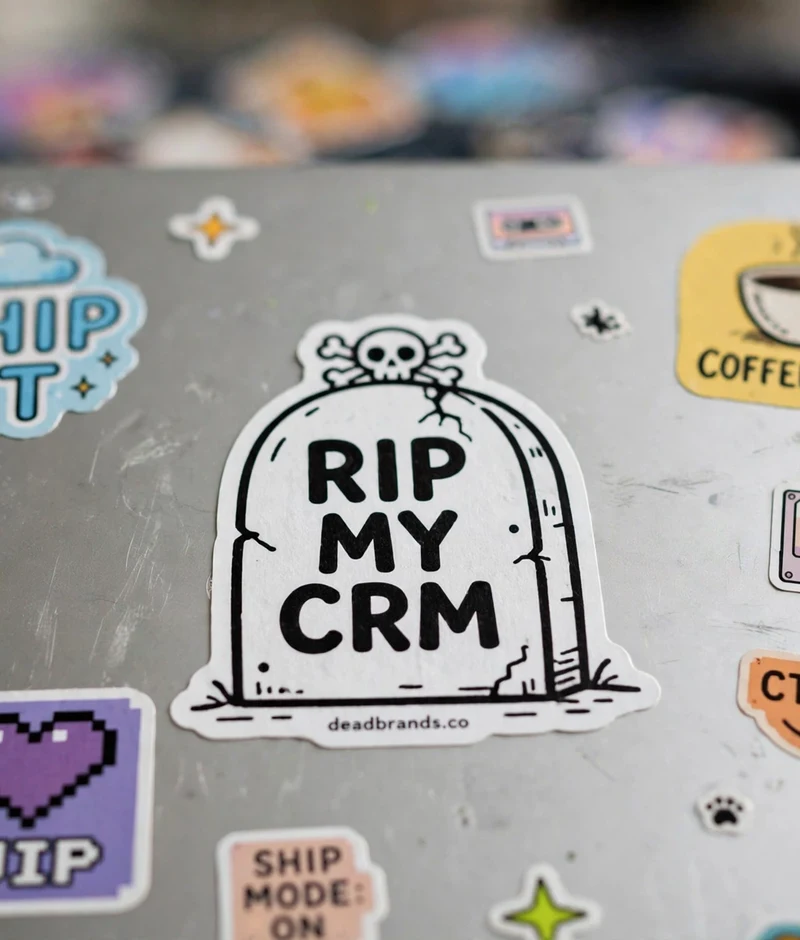

The discount trap
You know that feeling when you're in a meeting and someone says, "We need to discount this to get more sales"? It's a sign you're stuck in the discount trap.
I used to offer discounts on software subscriptions. But that never worked. Customers would say, "I'm paying less, so I'm getting more value." But the truth is, they were just paying less for the same thing.
Discounts are a signal that you don't have enough value to charge for. They don't build loyalty—they create a race to the bottom.
When you discount, you're saying: "I don't have enough value to charge for." It's like saying: "I'm not good enough."

Why price is the wrong question
The problem with discounts isn't the price—it's the question you're asking. When you discount, you're not pricing your product—you're pricing your weakness.
I used to think discounts would help me sell more. But it wasn't about selling more—it was about selling less. Customers who got discounts didn't come back. They just left.
Discounts are a symptom of a deeper problem: you don't have enough value to charge for. You're trying to compete on price when you should be competing on value.
When you discount, you're telling customers: "You don't have enough value to pay for what I'm offering." It's like saying: "I don't have enough value."

What really matters
So what do I do instead? I focus on pricing that reflects real worth. No discounts, no price wars.
First, I talk about value upfront. When I sell, I explain exactly what I'm offering and why it's worth the price. No discounts, no price cuts.
Second, I keep pricing simple and transparent. I don't hide anything. If something costs $100, it costs $100. No discounts, no hidden fees.
Third, I build trust through consistency. When I deliver what I promise, customers know they're getting value—not just a discount.
This is how I build long-term value. Not by cutting prices, but by charging what I genuinely deliver.
What I do instead, in practice
Stopping is easy to say. Here is what replaces the discount when a prospect pushes on price, which they always do.
First, I trade scope, never rate. If the number has to come down, something comes off the list — a module, a training block, a report they wanted but do not need yet. The price per unit of value never moves; the size of the job does. That one rule ends most negotiations, because the prospect discovers they wanted the whole job all along.
Second, I talk about the cost of the problem instead of the cost of the fix. A warehouse that ships the wrong orders is not saving money by delaying the system that stops it. When the conversation is about what the chaos costs every month, my fee stops being the biggest number on the table.
Third — and this is the one that took me years — I let them walk. Not dramatically. I thank them, I leave the door open, and I mean both. Some come back after the cheap option finishes being cheap. The ones who never come back were never buying what I sell. They were buying a discount, and somebody else can have that business.
None of this is a trick. It is just refusing to apologize for the price of doing the work right.
One more thing I stopped doing: apologizing with my voice. I used to say the number like I was sorry about it, and prospects heard the apology, not the number. Now the price gets said the same way I say the weather. Flat. Factual. Final. It is astonishing how many negotiations end right there, before they start.
Frequently asked questions
Why do discounts backfire?
Discounts signal low value. When you cut prices, customers think you're not worth what you're charging. It creates a race to the bottom where everyone tries to be cheaper.
How do I price without discounts?
I focus on value. When I sell, I explain exactly what I'm offering and why it's worth the price. No discounts, no price cuts.
What's the difference between value and price?
Price is what you charge. Value is what you deliver. When you discount, you're saying you don't have enough value to charge for what you're delivering.
Can I still offer discounts?
Only when they're part of a value exchange. For example, if you offer a discount for a longer contract, but you're still delivering the same value. I don't do discounts just to get more sales.