Streaming optimized the wrong thing
Streaming solved access brilliantly: every song ever recorded, instantly, anywhere, for the price of a pizza per month. It's a genuine miracle of logistics and licensing. What it accidentally optimized away -- without anyone noticing until it was gone -- was attention.
I have playlists with 400 songs on them that I have never actually heard. Not really heard. They were background to doing dishes, background to driving, background to scrolling. The music became wallpaper -- pleasant, ignorable, infinite. I could name maybe a dozen of those 400 songs. The rest passed through my ears without ever stopping in my brain.
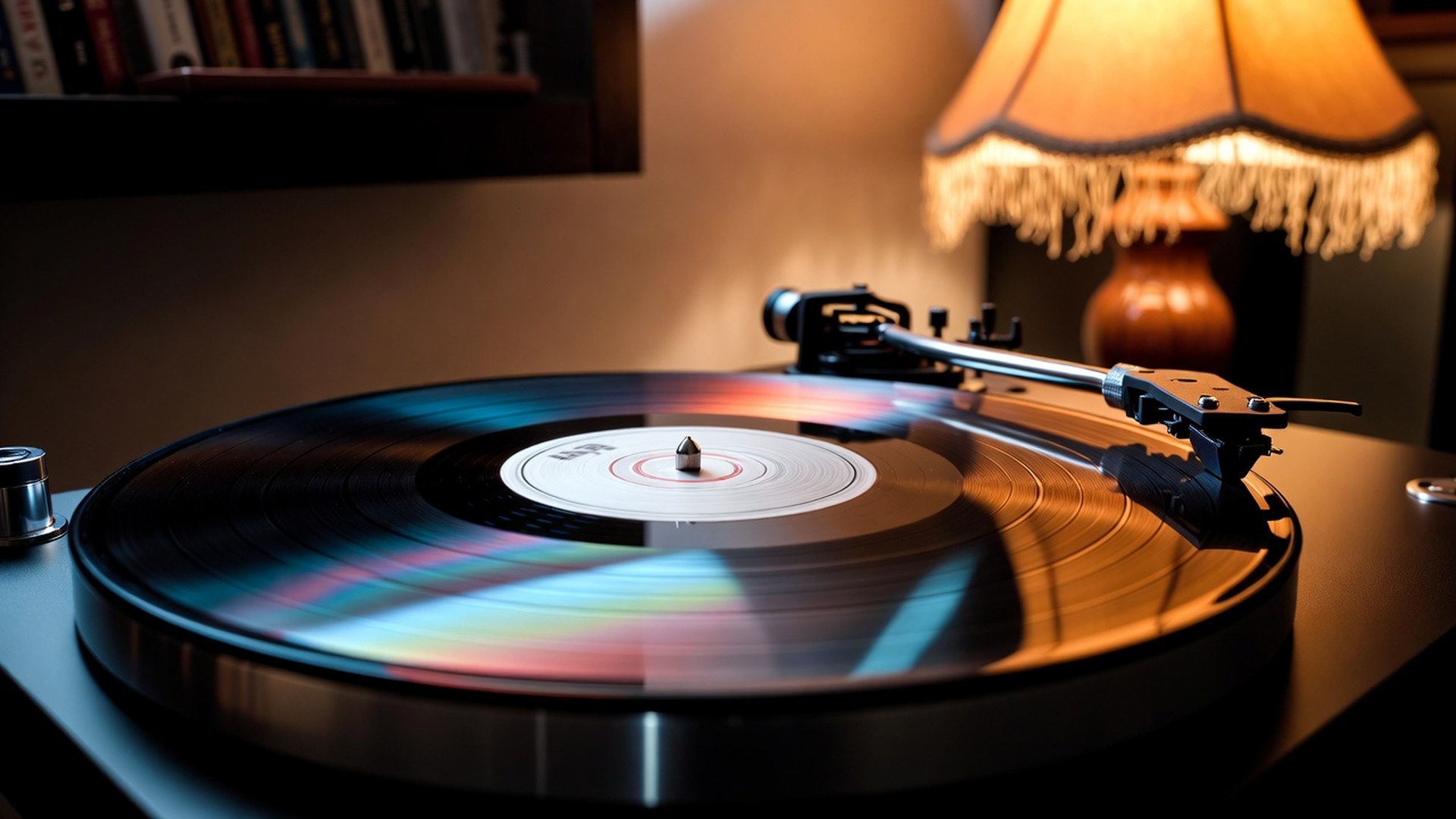
A vinyl record is 40 minutes, two sides, and you have to physically get up and flip it halfway through. You can't skip easily -- well, you can, but it involves lifting the needle and guessing, which ruins the flow. You can't shuffle. You can't skip the deep cuts to get to the hits. You're committed to the album as the artist sequenced it, the way they intended it to be heard.
That constraint -- the thing streaming "fixed" -- was the feature all along. The limitation created the listening. Remove the friction and you don't just remove inconvenience; you remove the commitment that made the experience meaningful.
I think about this constantly with business software. Every ERP demo I've ever sat through promises "everything, instantly, anywhere, on any device." Dashboards with 40 KPIs. Real-time everything. And then nobody looks at any of it, because when everything is available, nothing demands attention. The companies drowning in data aren't lacking access -- they're lacking the constraint that would force them to actually look. Access isn't the problem. Attention is. Vinyl taught me that before any business book did.
The ritual is the point
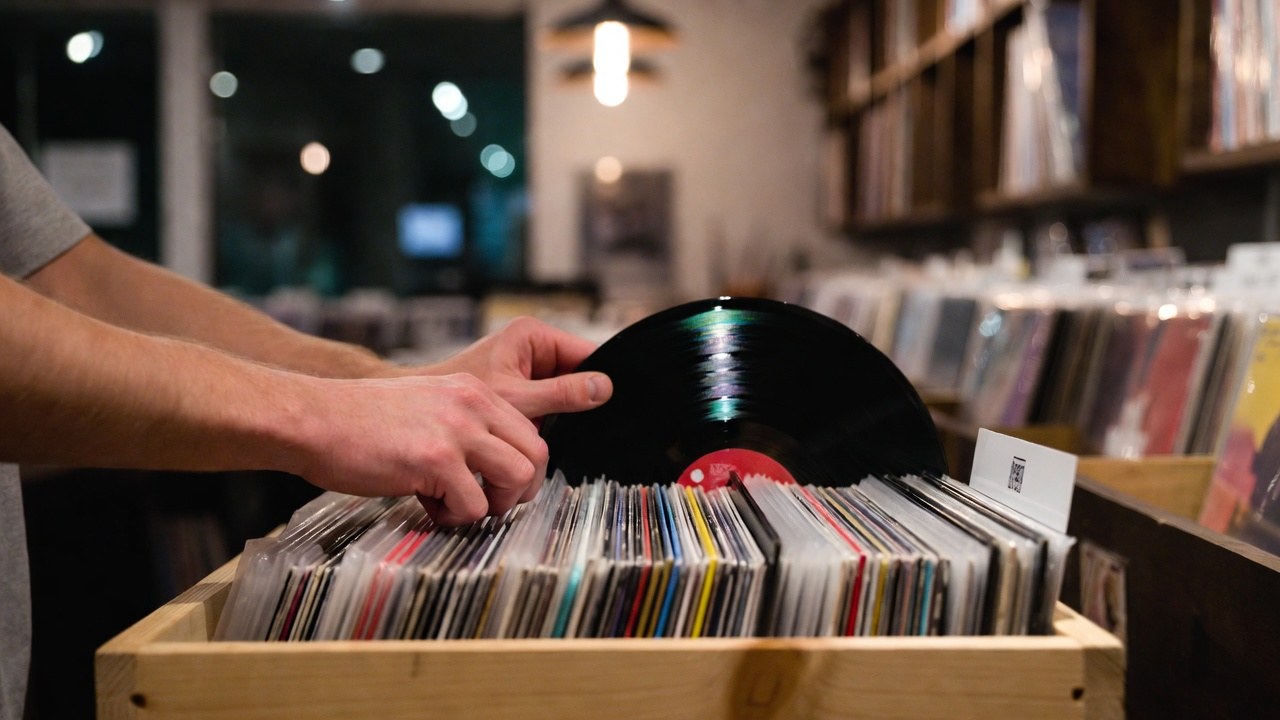
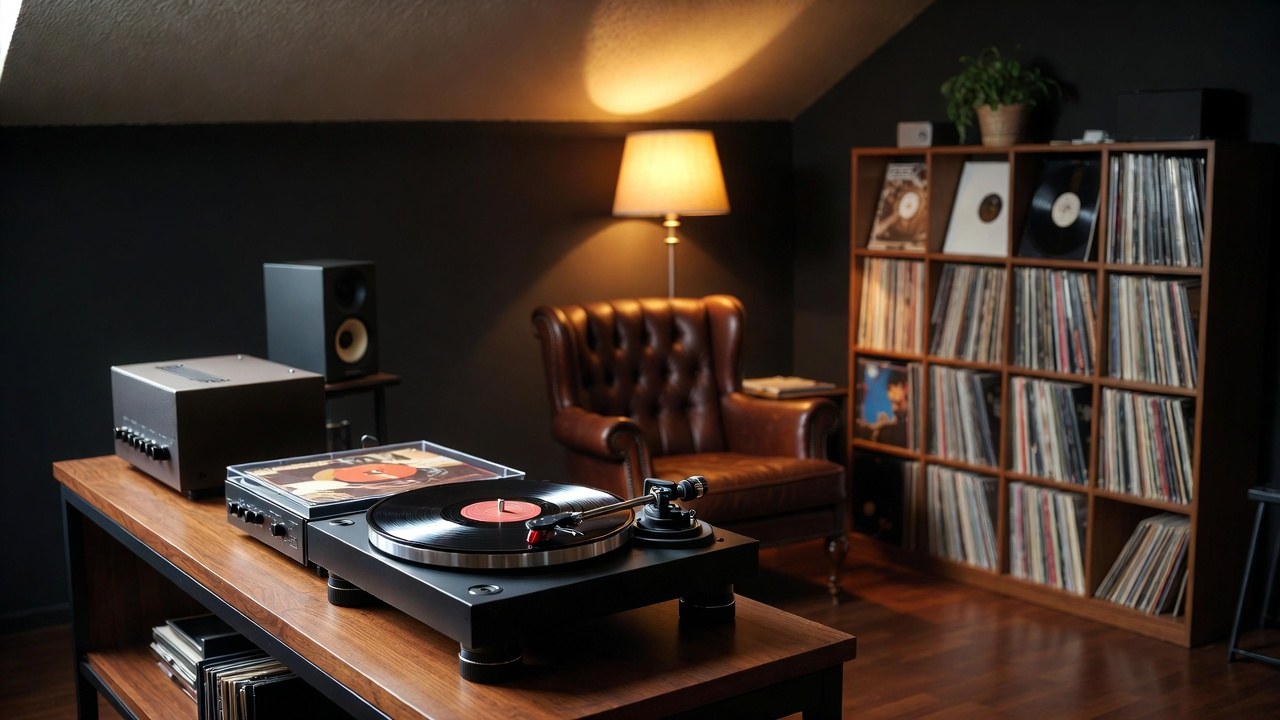
Buying a vinyl record in 2026 is a whole production, and I mean that as praise. Drive to the record shop (there are fewer every year -- support yours). Flip through crates for 45 minutes, developing strong opinions about pressings you've never heard. Argue with yourself over whether that used copy of Toys in the Attic is worth $28. Carry it home like treasure. Clean it with the brush. Place it on the platter. Drop the needle with the care of a surgeon. Then sit down and do nothing else for twenty minutes.
Streaming's ritual is: tap glass. Maybe tap glass twice if the Bluetooth doesn't connect.
My 9-year-old watched me do the full vinyl ritual once -- the crate-digging, the cleaning, the needle drop, all of it -- and asked, with total sincerity, why I didn't "just play it on the phone." Fair question from a kid who's never known anything else.
Then side one played. And he sat there -- actually sat there, no fidgeting, no asking for a tablet -- for twenty minutes straight. The kid who can't sit through a 30-second commercial sat through twenty minutes of Aerosmith because the format demanded it of him. The ritual created a container for attention, and he filled it without even realizing what was happening.
Rituals create attention. Attention creates experience. We've spent a decade systematically deleting rituals in the name of convenience -- same-day delivery, one-click everything, infinite scroll -- and then we wonder why everything feels thin and forgettable. The vinyl ritual is inefficient on purpose, and the inefficiency is load-bearing.
I've started applying this to work. My Monday planning session has a ritual now: same coffee, same notebook, phone in another room. My client discovery calls start with five minutes of actual conversation before we open any documents. Rituals aren't nostalgia. They're attention architecture.
Owning beats renting (usually)
My streaming library isn't mine. Let's be honest about what it is: a monthly subscription to someone else's servers, subject to licensing deals I can't see, price hikes I can't refuse, and the occasional 3 AM discovery that an album I loved is "no longer available in your region." I pay rent on access and own nothing.
My records are mine. They work without wifi. They work without a login, without a password, without a terms-of-service update I didn't read. Nobody can remove them, nobody can change the deal, nobody can decide that my region no longer qualifies. The music is in my house, on my shelf, playable on equipment I own. That permanence has a psychological weight that no subscription can replicate.
This isn't nostalgia -- it's the same principle I preach to my ERP clients. I tell them to own their data instead of renting insights from five disconnected SaaS tools that each hold a piece of the picture hostage. When you own the thing -- the data, the system, the record -- nobody can take it away, change the terms, or hold you hostage at renewal time. There's a quiet power in possession that access can't replicate, whether it's a record collection or a customer database.
There's also the investment angle, which I mention mostly as a joke but is actually true: my copy of Led Zeppelin II (RL pressing, for the nerds) is worth roughly 8x what I paid for it. My record shelf is outperforming parts of my retirement account. (Kidding. Mostly.)
But the deeper ownership point is about relationship. I know every record on my shelf -- where I bought it, what I paid, what was happening in my life. I can't say that about a single playlist. Ownership creates memory. Rental creates... a monthly charge.
Imperfection is human (and honest)
Vinyl crackles. It pops. Sometimes it skips if someone walks too heavily across the floor. The pitch wavers slightly if the belt is old. Streaming is mathematically perfect -- flawless bit-for-bit reproduction, every time, forever -- and somehow emotionally flat by comparison.
I'll take the crackle. The crackle is proof that something physical happened: a diamond stylus tracked a groove cut into plastic, sound moved air, a room filled with something real. It's not a simulation of music. It IS music, with all the beautiful imperfection that physical reality brings.
I say the same thing about the businesses I love working with. The companies with rough edges -- real opinions, a founder who'll tell you you're wrong to your face, a culture that's weird in a specific way -- those are the ones with soul. The "perfect" companies -- polished pitch decks, flawless messaging, zero personality, every edge sanded off -- are usually hiding something, or worse, they're hiding nothing because there's nothing there.
Give me the crackle. The crackle is honest. Perfection is suspicious.
My favorite records aren't the pristine ones. They're the ones with a little wear -- the copy of Rumours I bought used that skips once on "Dreams" (I've memorized exactly where), the Springsteen record with my dad's initials on the inner sleeve. The imperfections are provenance. They're history you can hear.
What the turntable taught me about business
Here's the thing I didn't expect: the vinyl habit rewired how I think about my work. Attention changed my meetings. Ritual changed my mornings. Ownership is literally my ERP sales pitch. Imperfection changed what I look for in clients.
None of that came from believing vinyl "sounds better." It doesn't. What vinyl does better is attentional, ritual, relational — it treats music as an experience rather than a utility, and it taught me to treat work, relationships, and even ERP implementations the same way.
The bottom line
I buy vinyl because it forces me to listen, because the ritual matters, because owning beats renting, and because the crackle is honest. Streaming made music easier to ignore; the turntable made each record an event.
Attention is the scarcest resource any of us have. I'll take the format that demands it.
Frequently asked questions
Does vinyl sound better than streaming?
No — digital wins every measurable test. Vinyl wins on attention: forty minutes, no skip button worth using, so you actually listen.
Why compare vinyl to business software?
Because the lesson transfers. Dashboards promise everything instantly, so nobody looks at anything. Constraint creates attention, and attention creates experience — in music and in ERP reports alike.
Is a record collection an investment?
Partly as a joke — his Led Zeppelin II RL pressing is worth about eight times its purchase price — but the real return is ownership: no wifi, login, or licensing deal can take the records away.
What makes the vinyl ritual different?
Crate-digging, cleaning the record, dropping the needle, sitting still for twenty minutes. The inefficiency is load-bearing.