
The Spreadsheet Sidecar Is a Confession
Let me describe the scene, because I have walked into it more times than I can count. The system of record says the business has some quantity of an item on hand. But ask which batch, or which serial numbers, and somebody smiles apologetically and opens the real file. It lives on one person's computer. It has color coding that only that person understands. It is backed up, they think, probably, maybe to a drive somebody saw once in 2022.
Nobody built this out of laziness. The sidecar spreadsheet is a confession that the real system was never set up to track what the business actually needs to track, so a conscientious employee built a lifeboat. I respect the instinct. I also know how the story ends. The lifeboat keeper goes on vacation during the one week a customer asks hard questions. Or the file corrupts. Or two people edit two copies and now there are two truths, which is the same as no truth at all.
Batch and serial tracking is not exotic. If you handle food, chemicals, electronics, medical anything, or warrantied equipment, you are already in the traceability business whether you admit it or not. The only question is whether your tracking lives in one audited place, attached to every transaction, or in a sidecar held together by one person's memory and good intentions.
Capture It at Receipt or Chase It Forever
The golden rule of traceability is brutally simple. The cheapest, easiest moment to capture a batch or serial number is the moment the goods are in your hands at receiving. Every moment after that is more expensive. Once an item is on a shelf mixed with three other batches, capturing the truth means digging, guessing, or opening boxes like it is a very un-fun birthday party.
So build the receiving habit first. Goods come in, the batch or serial information gets recorded into the system as part of the receipt, and the product gets labeled or confirmed labeled before it goes to its bin. Not after lunch. Not at the end of the week from a stack of packing slips and fading memory. At receipt, while the paperwork and the physical goods are still standing in the same place telling the same story.
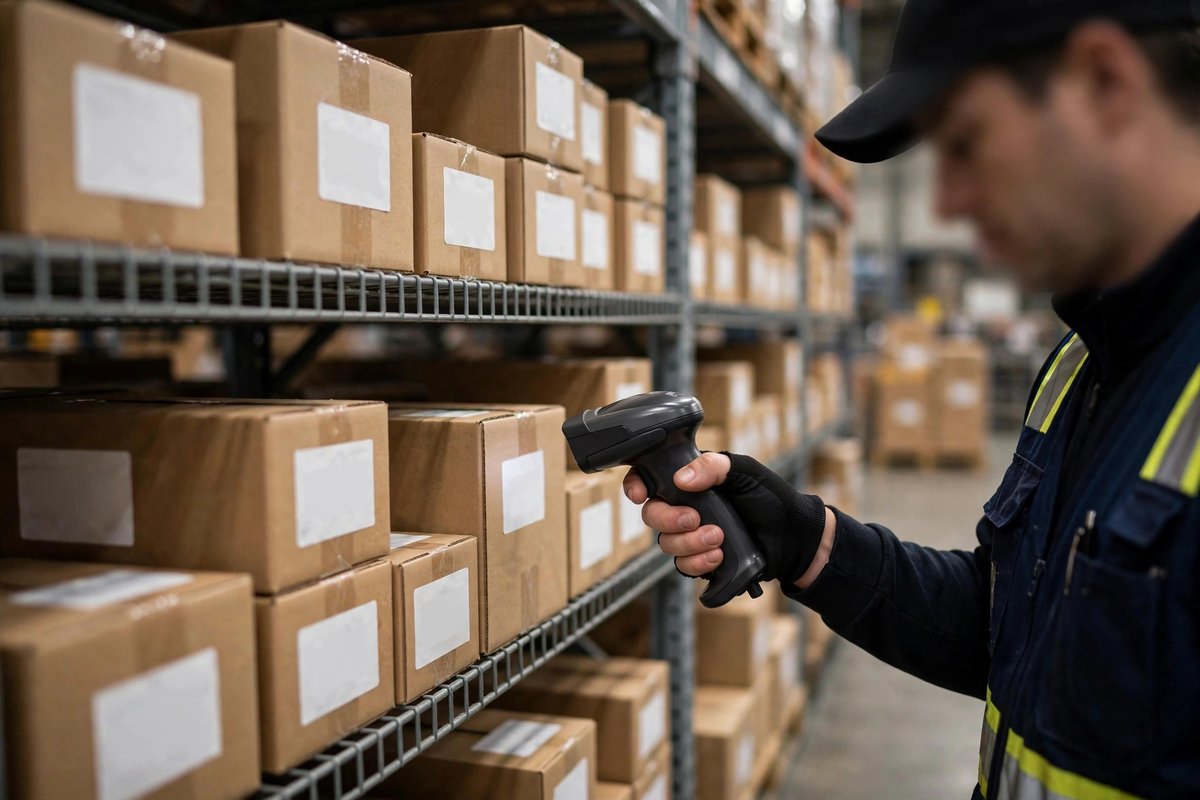
This is where scanning earns its keep. Typing long serial numbers by hand is an error factory. People transpose digits when they are rushed, which is always. Scanning the manufacturer's barcode where one exists removes the most boring and most dangerous errors in the whole process. Where there is no scannable code, a clear typed entry with a second glance still beats a notebook. The principle matters more than the gadget. Capture once, capture at the source, capture it into the system of record.
Issue It Honestly, Every Single Time
Receiving is only half the discipline. The other half is issuing, recording which batch actually shipped or went into production, at the moment it leaves. This is where good systems go to die, because issuing feels like paperwork standing between a person and getting an order out the door. So folks grab the nearest box, ship it, and plan to fix the record later. Later is a fictional country. Nobody has ever been there.
The honest approach is to pick from what the system shows and confirm the actual batch or serial at pick or pack time, correcting it in the moment if your hands grabbed a different one than the screen suggested. First in, first out is a fine default suggestion for most batch goods, but the record must follow reality, not the other way around. A perfect-looking record of the wrong batch is worse than useless in a recall. It is confidently wrong, which is the most dangerous kind of wrong there is.
When the Recall Call Comes
Now let me tell you why all of this discipline pays rent. One day, and I promise this day comes for almost everybody, a supplier calls about a problem batch, or a customer reports a failure on a warrantied unit. In the sidecar world, that call starts a fire drill. Find the file. Find the keeper of the file. Reconstruct shipments from memory, emails, and hope. Meanwhile the clock is ticking and your answers to the customer sound like weather forecasts.
In the tracked world, the same call is almost boring. You pull up the batch and see where it went. You pull up the serial number and see its whole story, when it arrived, when it left, and to whom. The recall becomes a defined list and a set of phone calls instead of an archaeological expedition. Audits change the same way. Instead of performing confidence for an auditor while sweating through your shirt, you just show them the trail. The trail either exists or it does not, and building it daily is the entire trick.
Start where the pain is. Pick your most trace-critical product family, set up its tracking properly, fix the receiving habit for that family, and run it for a month. Then expand. Traceability is not a big-bang project. It is a habit with a system underneath it, and it gets easier every week it stays honest.
Frequently Asked Questions
Which items should we track by batch or serial number?
Track by serial number anything individually warrantied, high value, or likely to need service history, since each unit has its own story. Track by batch anything that shares a production or receipt lot where a quality question would apply to the whole group, like food, chemicals, or materials. In my experience, if a recall or a warranty claim would make you ask which one, that item needs tracking.
Our team says recording batches at receipt slows them down. Is that true?
For the first couple of weeks, a little, while the habit forms. Then it gets faster than the alternative, because the alternative is hunting for information later under pressure. Recording at receipt takes moments. Reconstructing shipments during a recall takes days. Scanning instead of typing removes most of the friction. The honest comparison is not fast versus slow receiving. It is seconds now versus a fire drill later.
We already have years of data in a side spreadsheet. Do we have to import all of it?
Usually not all of it. In my experience the practical move is to draw a line: count and verify what is physically on hand now, bring current stock into the system with its batch or serial detail, and let historical sidecar data stay archived for reference. Chasing perfect history for stock that shipped long ago costs a fortune and buys very little. Start clean from today and stay clean.
What is the biggest mistake businesses make with batch tracking?
Recording what should have shipped instead of what actually shipped. The system suggests a batch, the picker grabs a different one, and nobody corrects the record. The data looks beautiful and is quietly false, which only surfaces during a recall, the worst possible moment. Build the confirmation step into picking and packing, where hands and goods meet, and the record stays married to reality.