

Listening is part of the work
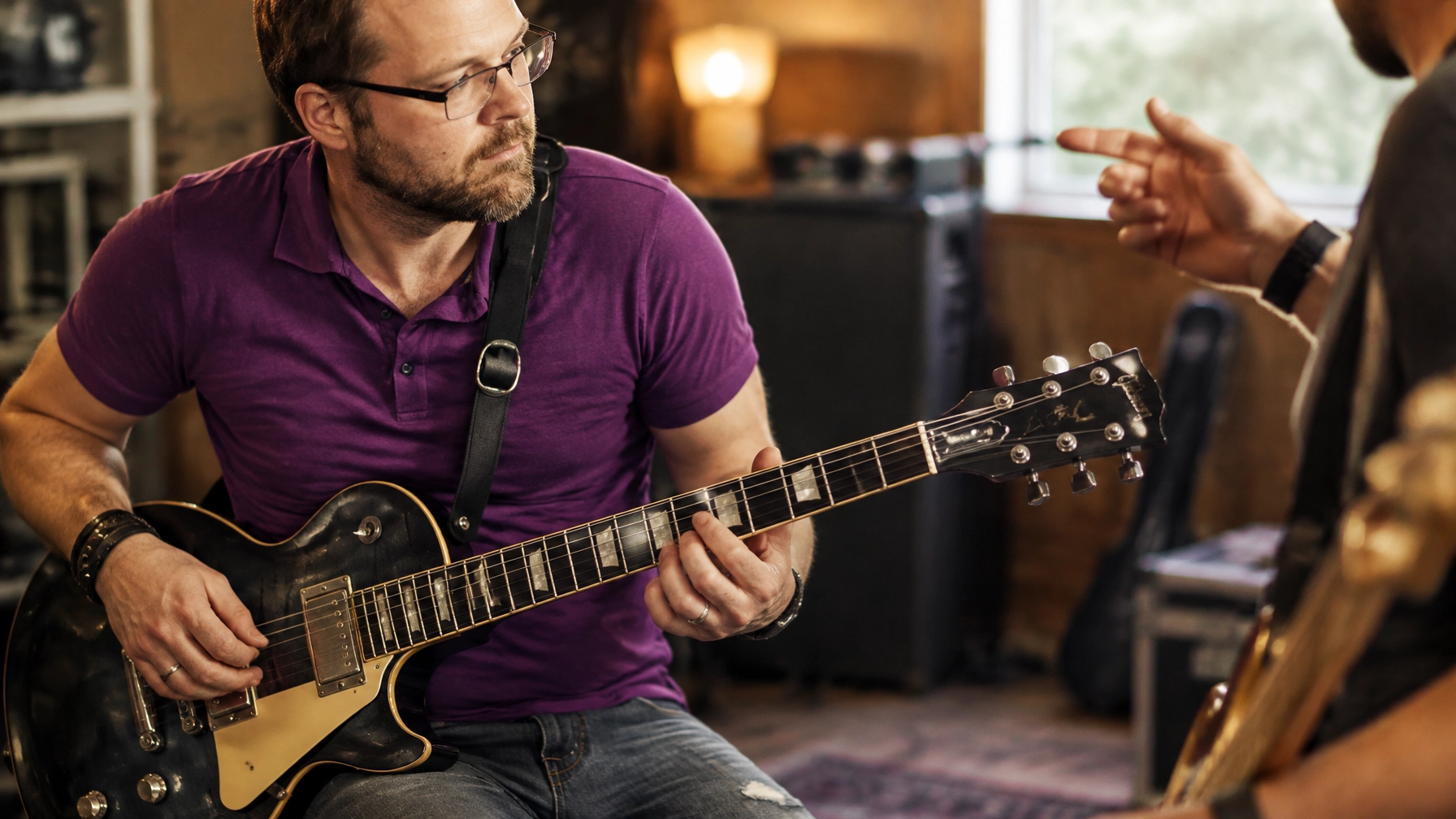
In rehearsal, we’re not each performing separate parts in a vacuum. We’re responding to one another. We listen for changes in timing, emphasis, energy, and direction. Sometimes the right move is to play more. Sometimes it’s to hold back.
That’s true in a conversation, too. Listening isn’t just waiting politely until it’s our turn. It means paying attention to the full answer, not only the words that sound like an opening for our prepared response.
A person might tell us they’re worried about the time a change will take. The easy move is to jump straight into explaining what we offer. The better move may be to stay with the concern for a moment:
- What part of the timeline feels hardest?
- What would need to be true for the change to feel manageable?
- Is there something that didn’t go well the last time you tried?
Those questions don’t move us away from the conversation. They help us understand what the conversation is really about.
The best players leave room
There’s a temptation, especially when we’re excited, to fill every open space. In music, that can turn a song into a traffic jam. In a sales call, it can turn a useful exchange into a long monologue.
Leaving room is not the same as having nothing to contribute. It’s trusting that we don’t need to answer every pause immediately. The other person may be gathering their thoughts. They may be deciding how to explain a difficult problem. Give them a few seconds, and they may tell us the part that matters most.
That’s one of the simplest things band practice reinforces: don’t play over the part you need to hear.
On a call, we can try to:
- Let the other person finish before we respond.
- Ask a follow-up question that builds on what they just said.
- Reflect back the main point to check that we understood it.
- Adjust the pace and detail to the person in front of us.
A short reflection can do more than a polished pitch: “It sounds like the main concern is the disruption to the team. Have I got that right?” It gives the other person a chance to correct us. It also shows that we’re listening for their meaning, not just waiting for a keyword.
Follow the song, not the script
A song has structure, but a band still has to pay attention in the moment. If someone changes the feel, the others have to notice and respond. Good rehearsal makes it easier to find those cues together.
Sales conversations also benefit from preparation. We should know what we want to learn and have useful questions ready. But preparation should help us pay attention, not lock us into a script that ignores what the person is telling us.
If the conversation takes an unexpected turn, we don’t have to drag it back to our planned agenda right away. We can ask what prompted the change. We can learn whether a new concern matters more than the one we expected to discuss. Then we can decide, together, where to go next.
Research on listening in sales supports the value of this approach. A review of salesperson-listening research describes links between listening, adapting to customer needs, and stronger relationship and sales outcomes. That doesn’t prove that musicians make better salespeople. It does point to a shared habit: pay attention, understand what’s happening, and respond to the person, not just to the plan. (Salesperson listening research)
Research on musical ensembles, meanwhile, examines how coordination and attention help people make music together. The lesson I take from that isn’t that every conversation needs a soundtrack. It’s that people create better things together when they notice one another and adjust. (Research on coordination in musical bands)
Listen for the person, not just your cue
At rehearsal, a cue is useful because it helps the band move together. But the point isn’t to wait for our moment and ignore everything else. We listen to the whole arrangement. The same is true on a sales call: a customer’s answer is more than a cue for us to speak. It’s information about what matters to them.
Sometimes the most helpful response is a direct answer. Sometimes it’s a question. Sometimes it’s a pause that gives the other person room to keep going. We won’t know which one is right unless we’re paying attention.
I’ve found that the better I listen in rehearsal, the more clearly I understand what the group needs from me. That’s a useful standard for a call, too. Before we ask, “Did we get our points across?” we can ask, “Did we understand what this person was trying to tell us?”
We can’t control every conversation. We can control whether we show up ready to hear the answer. That’s a good habit to practice, in a rehearsal room and on a call.
A good conversation, like a good song, works when everyone gets heard.
Frequently Asked Questions
What does band practice have to do with sales calls?
Both depend on paying attention and responding to other people. The band-practice comparison is a practical way to think about listening; it isn’t proof that playing music automatically improves sales performance.
How can we listen better on a sales call?
Let the other person finish, ask follow-up questions based on their answers, and reflect back what you understood. Give the conversation room to go somewhere you didn’t expect.
Does active listening mean we shouldn’t prepare?
No. Preparation helps us ask better questions. Listening helps us adapt those questions to the person and situation in front of us.