Why muscle memory cannot be rushed
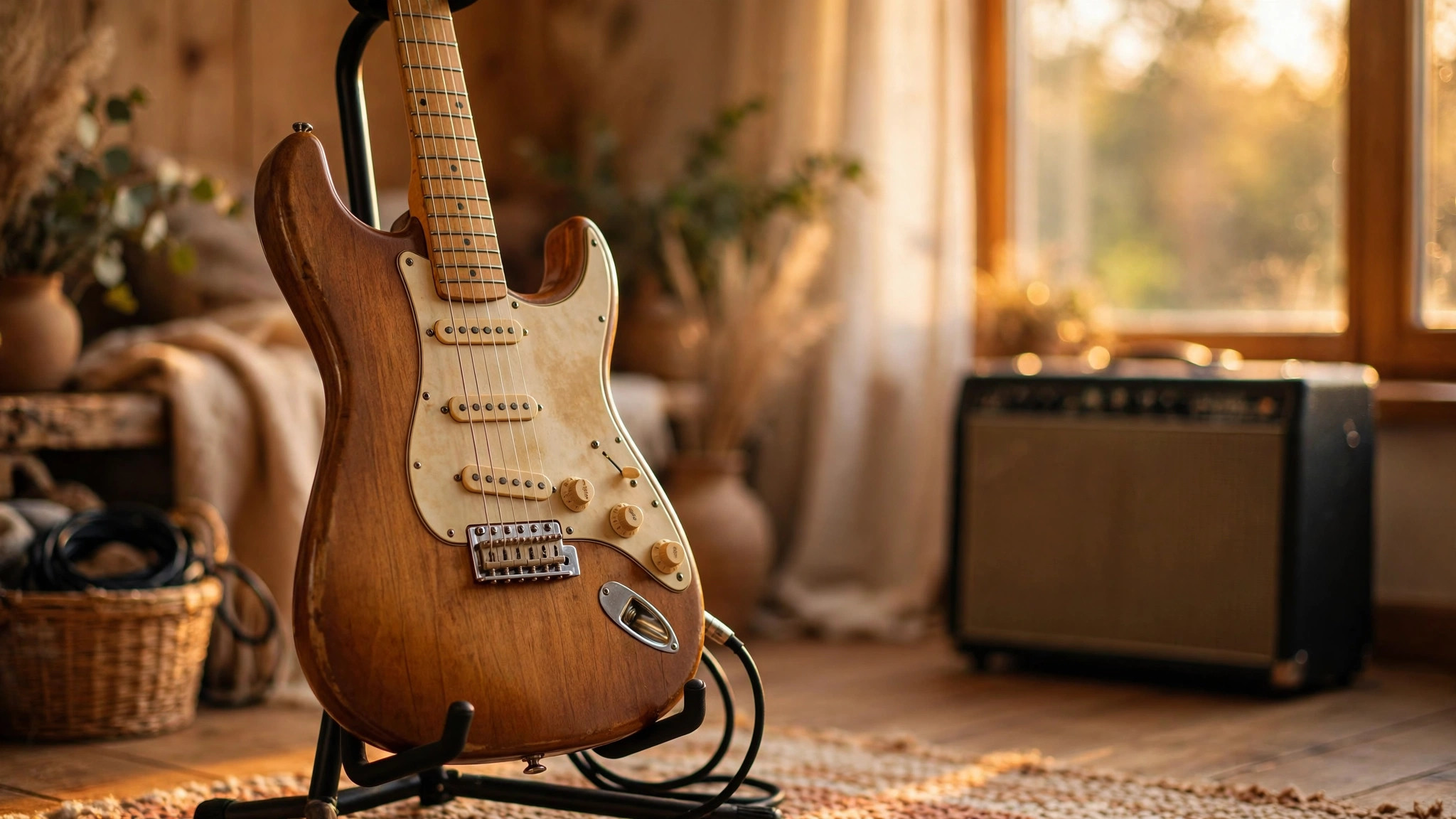
I have been playing guitar for over twenty years. I am not a virtuoso. I am a guy who loves the instrument, plays in a band, and still gets humbled by songs I have played a hundred times. And somewhere along the way, the guitar started teaching me things that two decades of business never did.
Business runs on speed. Move fast, ship it, iterate, optimize. Patience is something you preach in keynotes and abandon by Tuesday. Every system I have ever built rewards the quick decision and punishes the slow one.
Guitar does not care about your timeline.
When I was learning a tricky solo, I would drill it at full speed for an hour and get nowhere. Then someone told me to play it at half speed until it was boring. It felt like going backwards. But a week later, my fingers knew the part better than my brain did. The slow work built something the fast work never could.
That is muscle memory. It does not negotiate. You cannot hack it, outsource it, or throw money at it. You put in the slow reps or you do not get the result. Business has almost nothing like this. There is always a shortcut, a tool, a hire, a workaround. Guitar strips all of that away. It is just you, the strings, and the metronome telling you the truth.
The metronome is the most honest boss I have ever had. It does not care about my excuses, my schedule, or how confident I feel. It just keeps time and lets me hear exactly where I am lying to myself. I wish every ERP implementation came with a metronome. Half the failed migrations I have seen were somebody trying to play a solo at full speed before they could play the scale. The data was dirty, the processes were undocumented, and the timeline said go-live anyway. The metronome would have stopped them cold.
The boring practice is the whole game
The boring practice is the whole game. Nobody posts videos of themselves running scales. But every great player I have ever met treats the unglamorous work as sacred. The scales, the chord changes, the timing drills. That is where the magic actually lives.
I think about this when I watch companies skip the boring work. The data cleanup before the ERP migration. The process documentation nobody wants to write. The training sessions everyone tries to shorten. It is all scales. Unsexy, repetitive, and absolutely load-bearing.
Band practice is the same story. Nobody in the audience hears the forty runs of the chorus it took to lock it in. They only hear the one run where four people hit it as one organism. That does not happen because we are talented. It happens because we were willing to be bored together until we were not bored anymore.
ERP go-lives die the same way songs die. Not in the big dramatic moment. They die in cutover week, when somebody skipped the scales. The test scripts nobody ran. The user acceptance testing that got compressed into an afternoon. Then Monday morning arrives and the whole thing falls over, and everyone acts surprised. I am never surprised. I have heard that song before. It is the sound of a band that never rehearsed the boring parts.
Some things are worth doing slowly
Here is the one that hit me hardest: business taught me to optimize everything. Faster close, shorter cycle, more output. Guitar taught me that some things are worth doing slowly on purpose. A bend held a half beat longer. A pause before the chorus. The space between notes is where the feeling lives, and you cannot optimize feeling.
I am not saying business should slow down. Speed matters. But I am saying that the guitar gave me a second clock. One that measures in years, not quarters. One that rewards showing up daily for something with no ROI spreadsheet. That clock has made me better at the fast one, because now I know which things deserve patience and which ones just need a decision.
Being a dad runs on the same clock. Kids do not operate on quarterly timelines. You cannot optimize a bedtime story or rush a kid through a hard week. Some of the best parenting I have done looked exactly like practicing a solo at half speed: slow, repetitive, and completely invisible to anyone keeping score. Years later you hear the song come out right, and you realize the slow reps were the whole investment.
The pause before the chorus taught me something about sales calls too. The best closers I know are not the fastest talkers. They are the ones comfortable with silence. The space between notes. Say your piece, then shut up and let it land. Rushing the pause kills the feeling, on stage and in the conference room.
The takeaway
Pick up something hard. Practice it slowly. Let it humble you. It will teach you things your business never could.
That is the whole sermon. Twenty years of guitar, distilled into one Sunday thought: the fast clock pays the bills, but the slow clock builds the person. Keep both running. Just know which one you are reading before you decide how fast to go.
Frequently asked questions
How long did it take you to get decent at guitar?
Years. There is no honest shortcut. The first year is mostly pain and buzzing strings. Somewhere around year three, it starts feeling like music. I am still learning.
Do you still practice regularly?
Not as much as I should. Life, kids, business. But I pick it up most days, even if it is just fifteen minutes. Consistency beats marathon sessions every time.
What is your advice for someone starting an instrument as an adult?
Slow down. Play it at half speed until it is boring. Do not compare your month two to someone else's year ten. And enjoy the boring parts. That is where the real progress hides.